
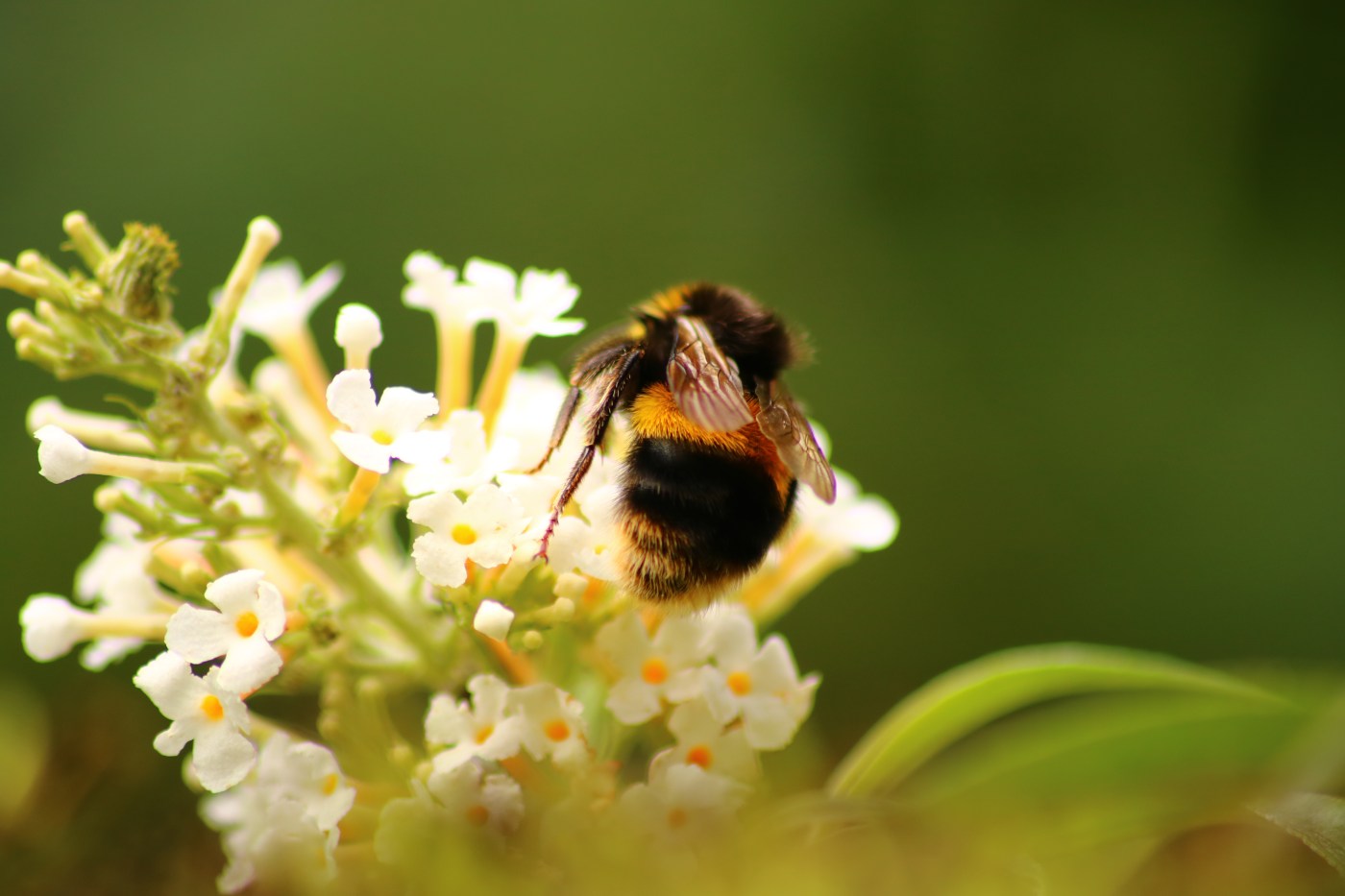
A guide through the many aspects of a garden. You may recognise some or all of these places as part of your home, or from memories of your childhood. This is an extension from the first blog I did, where I remembered my appreciation for gardens and mused on the disconnect between us and the outside world. Let us take a gander.
The Lawn
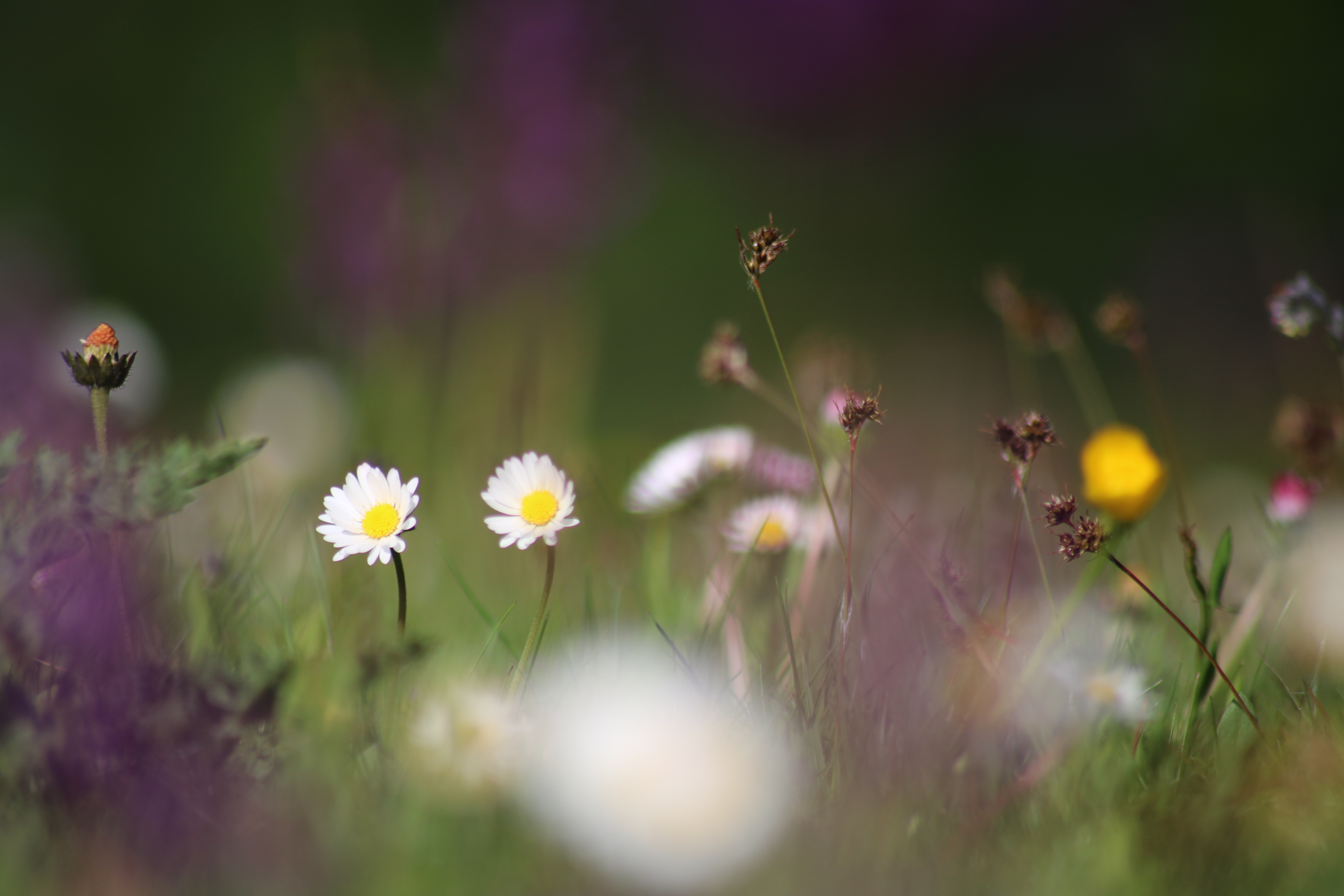
I’m personally not a fan of traditional lawns, give me a moss lawn or a winding paved path through undergrowth any day, but I can get behind a lawn that has the touch of the meadow about it. But for those who aren’t me, this French aristocratic status symbol has a purpose far from it’s roots. to have somewhere for food to be eaten and ball games to be played, dogs to run and depending on who’s garden, maybe a ritualistic sacrifice of apples to be performed or sunbathing. Having such a lawn strewn with buttercups, clovers and daisies is a happy medium between the artistically overgrown garden I crave and something that your everyday human actually wants and can use.
The Pond
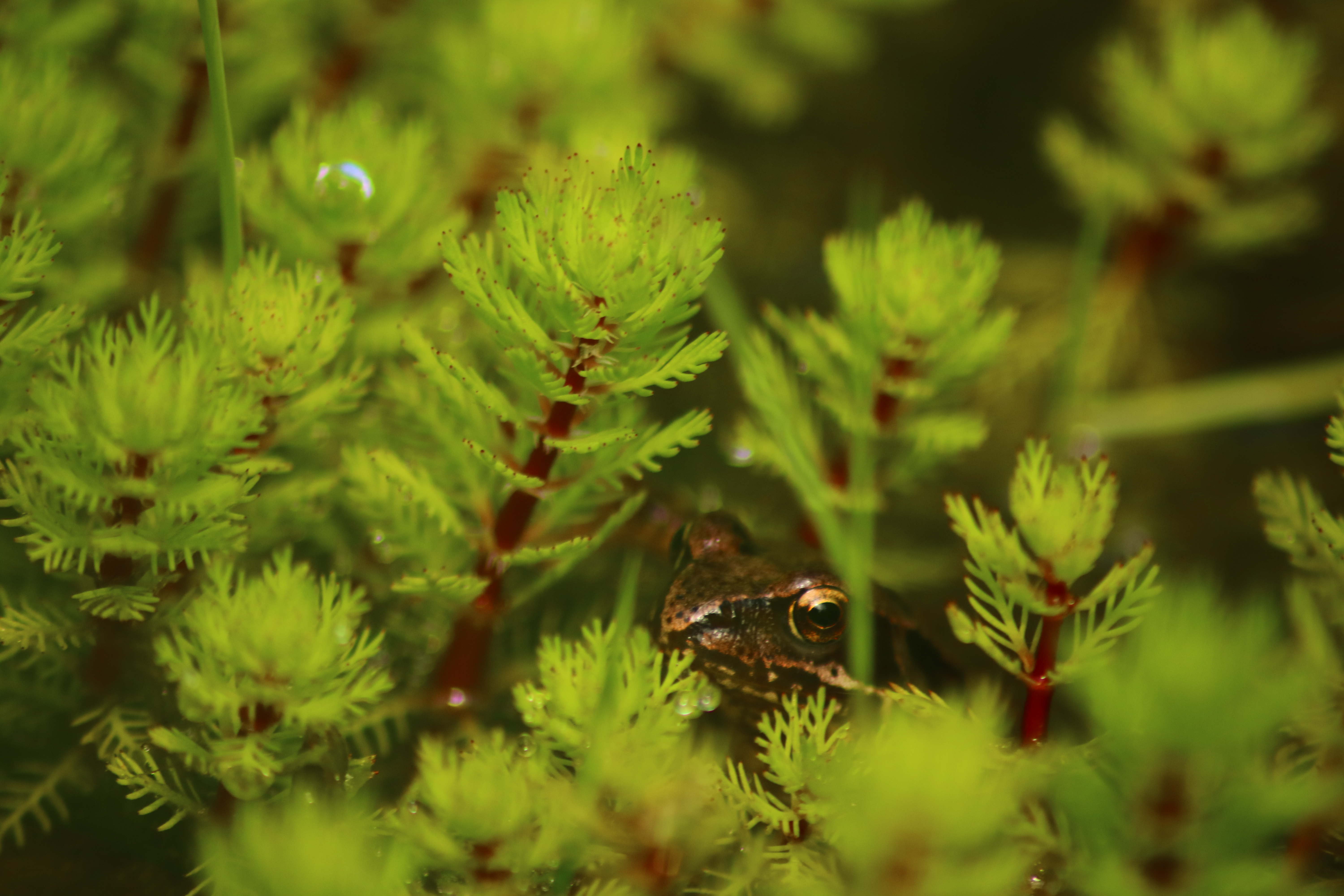
Calling some of these options a pond may feel a little lofty. But whether it is a bucket under the guttering with the smallest of aquatic plants and home to a singular frog, or a massive pit dug 100 years ago large enough for a grown man to swim in with a duck house at it’s centre. A pond is usually a welcome addition to any garden. It can also serve as a birdbath, which for those who have been having heatwaves and droughts in recent years is a huge help to wildlife searching for water.
The Tree
There’s usually at least one. Sometimes it’s not even yours, simply overhanging a large part of your garden and shading out your expensive lilies. Even for the sun worshipper having a tree can be a blessing. There is nothing quite like lounging under the dappled leafy shade on a warm day, the song of insects and birds, or simply of the music from your headphones to drown out the sound of traffic that you hope to wish away. There are plenty of plant species that will indulge you in the shade, your normal bulbs of bluebells and snowdrops, in spring, with wood enemies and primroses coming later are a good start. With a tree comes possibilities, even a small one can give the birds that flit through the mosaic of gardens a little cover, a place for them to pause and contemplate their existence as a ready made cat toy. If you find that the birds are passing you by, ignoring your bird-feeders or pond, try a small tree.
The Herb Garden
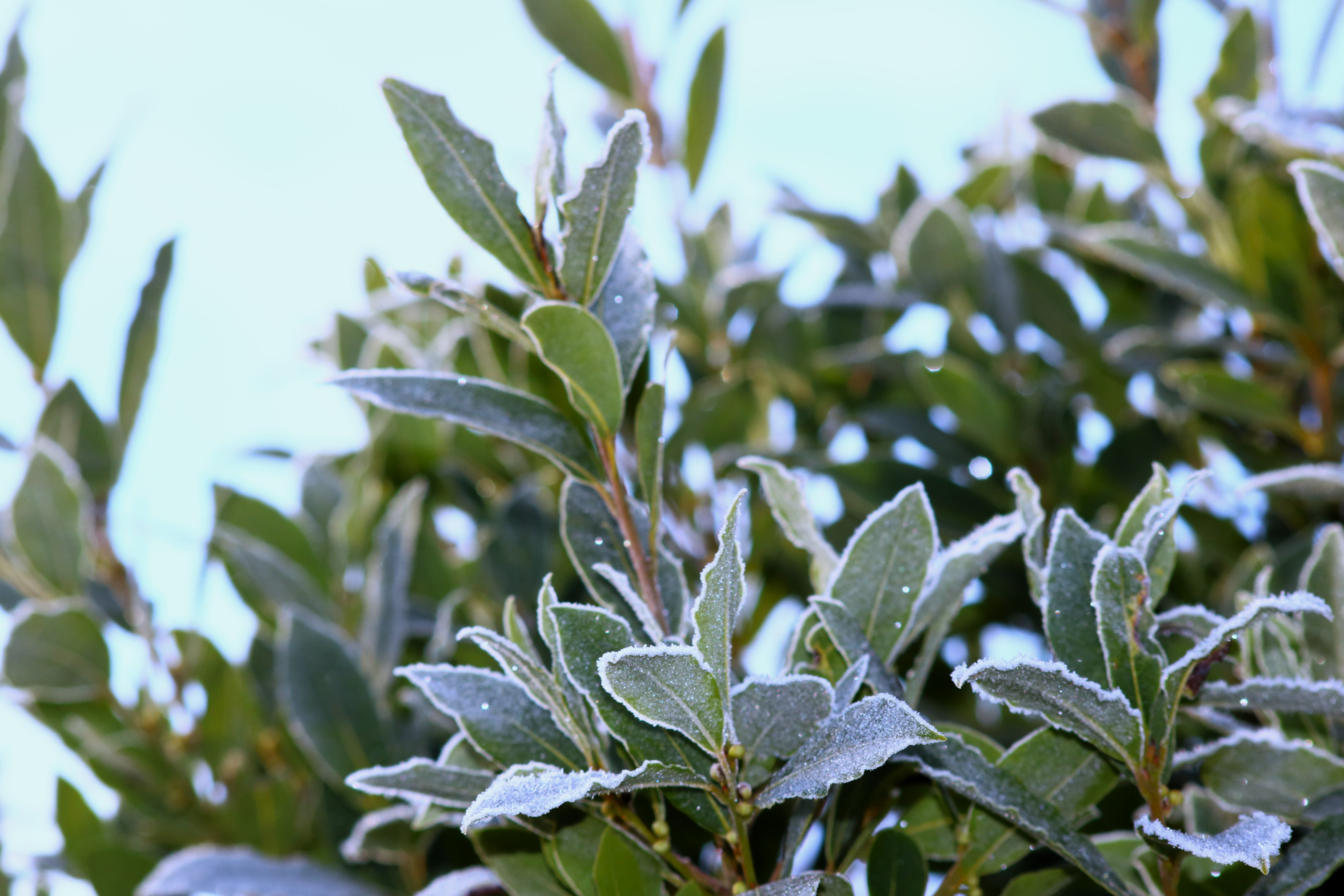
Often started and never usually utilized or maintained. The idea of a herb garden is probably more potent than the herbs planted. For one thing your tastes may not align with the earth you are given. If you fancy both Basil and Lavender you’re going to have to carry out some separations and chemistry on your herb beds. Bay, Mint and Rosemary are probably the easiest to grow and yet I’m always lacking in recipes that include them. It’s also easy to forget their existence. To have a herb garden that is functional you need to include it in your routine and even then you are at the mercy of the elements, and seasons so you may end up buying the herbs regardless.
The Flower Bed
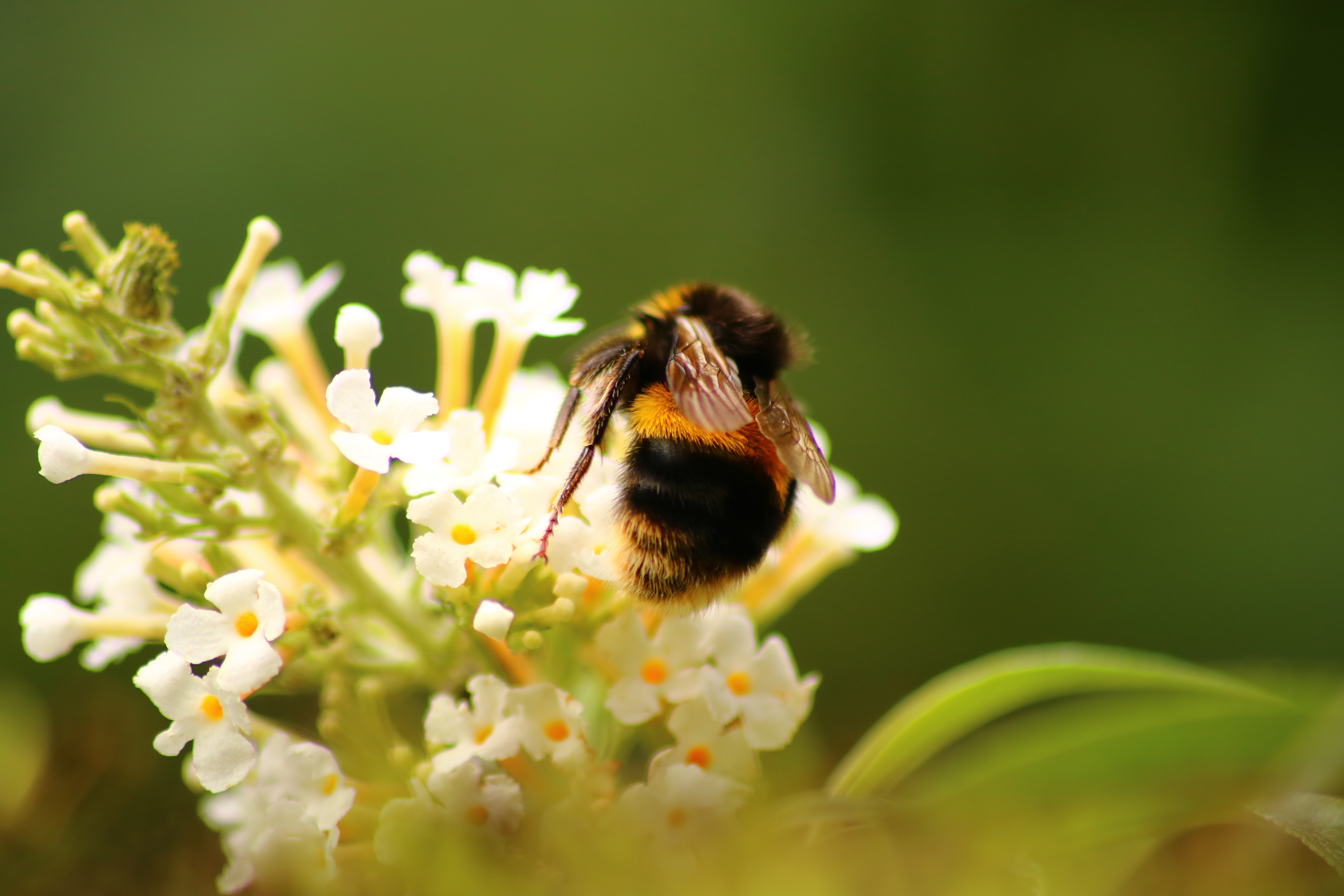
Where you can be your most decadent and creative. The most freeing part of the garden and the most work. Weeding is time consuming, and tiny creatures rarely care that these are your nice flowers and you’d rather they be left munching holes free. This is the space with the most intention behind it, so what you value can come through in what you plant. If you want an excuse to pay some lovely lads and lasses to excavate your garden every few years, plant some bamboo. If you want to help the bees out, plant a versatile array of flowering species that bloom at different times of year, preferable without those complicated multi-layered petals and prioritising native species. If you want an area with as little effort as possible let the wilds take it and call it an eco or wild patch. When your relative point at the stingers and brambles with dismay give them a lecture of how important such species are for the various moths and butterflies and therefore to all the baby birds ect. they’ll soon start avoiding the subject. Or love you more, but that sounds suspiciously like a healthy dynamic.
The Hedge

The Place to hide, the place to sneak out of the garden, the place to ensure privacy and insulation from the world beyond, and for those who call the garden their home, a corridor and nursery. I love hedges, they have possibilities and easily made more ecologically friendly by allowing different species to wave themselves together, allowing some Ivy, choosing hedges made from native species. And keep them managed by cutting them back once or twice a year usually keeps them looking nice, depending on your soil richness, rainfall and of course what your personal tastes are. They are versatile and easily taken for granted but well worth a check in every now and then. You may even find a birds nest.
The Bird Box

A worthy hotel for any season. You may have to a wait a year or two between putting up the box and it being inhabited, but it’s always a rewarding wait. This little armoured place that recreated what would have been hollow trees and crevices within crumbling banks and cliffs are probably the second easiest way encourage wildlife into your garden, and to help in the smallest of conservation efforts. Just ensure that any felines are shut in at least over night and during the early morning during fledging season in about June. I love them so dearly but they are such murderous creatures.
The Bird Table
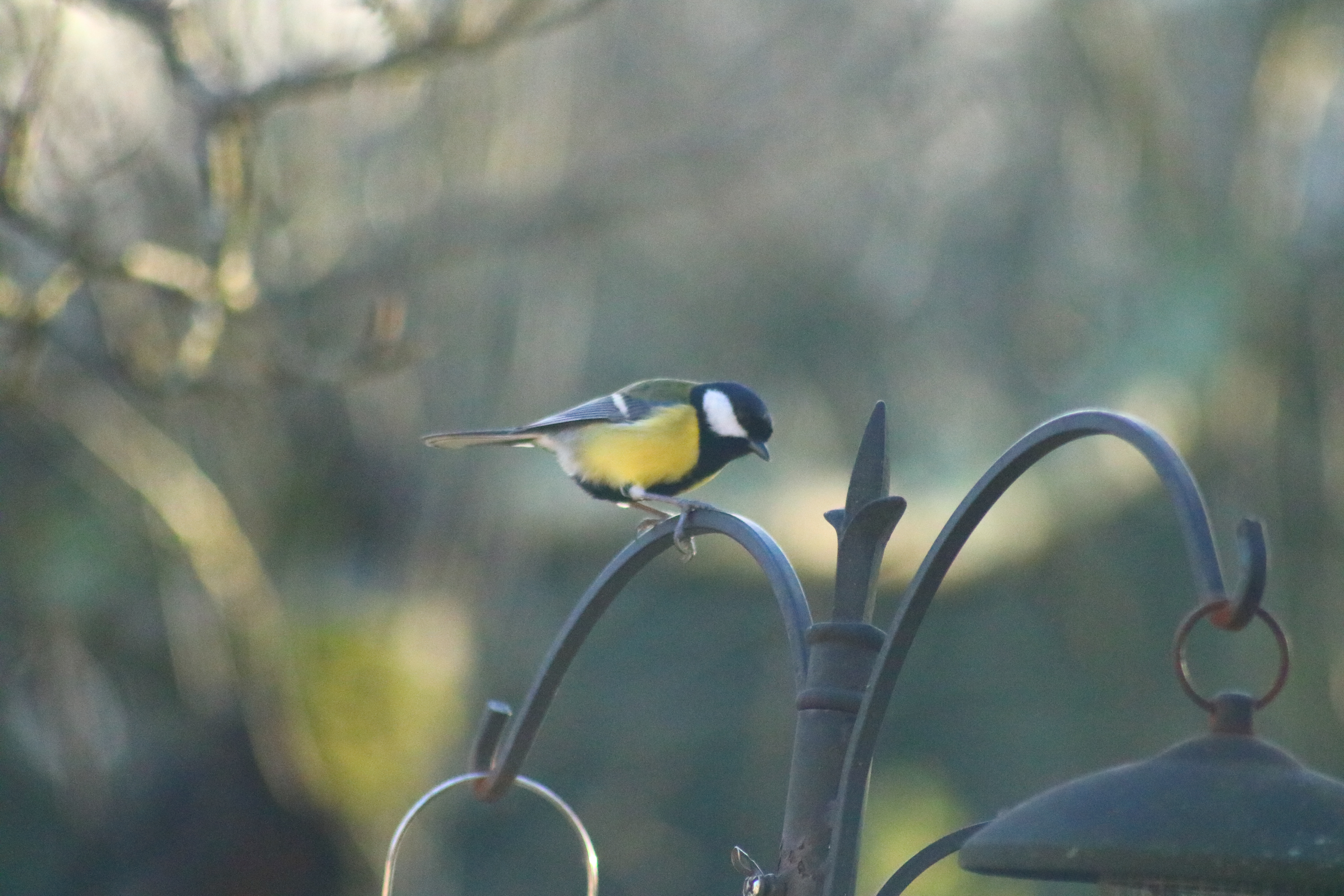
Sometimes the centre peace for a garden and main source of bribery for the beasts that usually pass trough your garden. This is a focal point of many a garden and a useful gage for discerning what species of birds come to visit, but it’s main appeal is to be able to watch the birds from a window. One of the best ways to procrastinate I find.
 Wonderfully Weird