Even if you are of the French aristocracy of old, inventor of lawns and loser of heads, your garden does not entirely belong to you. This strange liminal space between what you call home, the outside world and what we have designated, ‘the natural world’ often treats your presence as a hindrance more than anything. Perhaps you are greeted with the brief acceptance of a robin as you fill the ecological niche of long slaughtered boar. Perhaps the long days sat outside means the squirrels run across the lawn, trusting you will not move.
Our relationship with the inhabitants of the garden can feel very tenuous, but I’ve noticed that doesn’t always diminish our appreciation for them or for the place they call home. I say this, and yet I’m also going to give you a quick guide in how to cultivate a better habitat even for the beasts you never see. Obviously this is not one size fits all, tastes, preferences, geographical location and whether your garden also serves as utility makes a one size fits all method useless. I can however give some suggestions that you can either disregard or build upon.
For all the beasts you cannot see
Not doing something is usually easier than doing something, but where weedkiller and pesticides are involved I can see the temptation. If you must use these, weedkiller is the most controllable, ditch the pesticides if you can. You may wonder how the pesticide can kill aphids and not the ladybirds or bees that you would rather keep around, the truth is they won’t leave any insects unaffected, and any marketing that suggests otherwise is a lie. Weedkiller also doesn’t discriminate, but if you’re using gliphosate or something similar, spotting a small amount on the leaves of the plants you want eliminated is the least destructive method, preferable on a dry day so the chemicals all remain in the same place. We won’t get into “Forever Chemicals” today, because I value our collective sanity and this is about the good things you can do, not adding to your existentialism.
If you can, having your own compost heap is never a bad idea. All the local microbes remains in the same area, limiting the risks of infection and it’s far cheaper than buying bags of the stuff at the garden centre. The process of turning is over and digging it into your beds also aerates the souls and gives you the opportunity to check your garden’s soil health, if there are lots of worms, centipedes and grubs being unearthed, your garden is healthy. This is also when a certain robin may check in for a visit. Leaving a layer of leaf litter or mulch beneath your hedges and shrubs enriches the soil and maintains a habitat for all the thousands of tiny creatures. It’s also a fantastic excuse to not have to clear away every single leaf.
Common wildlife & what they call home
Hedgehogs
Hedgehogs have been is decline throughout Britain for the last few decade. Traffic casualties and habitat fragmentations are the main drivers, you may not be able to control the safety of you local roadways, beyond appealing to your MP to add wildlife crossings but you may be able to assist in allowing habitats to be less fragmented. If your garden and lifestyle allows building in gaps along fence lines to allow wildlife passage through your garden is one of the best ways to help wildlife collectively. You as an individual may choose to leave out cat food or mealworms for hedgehogs, and there is of course the old trick of not using slug repellent or other poisons which can and do kill hedgehogs. Starting with the health of invertebrates will always have a positive knock on effect with other animals.
Birds
A bird feeder is probably where most people will start. The constant war that you’ll inevitably start waging with the grey squirrels aside, this is probably what gives most people a sense of piece and joy. If your bird-feeder is looking vacant, it may just be a question of time and relative consistence. If the birds know they’ll likely find food, they will check in regularly, change up the seeds you use to cater to different species, add a water source especially given the heatwaves in the UK which will undoubtedly become more common and no less easy to survive for Urban wildlife. The local foxes and hedgehogs will also thank you if you make it at ground level. Cleaning bird-feeders regularly is important at the moment, as bird-flue is presenting a real issue in some parts of the country. It’s usually not zoonotic, (when a disease passes from one species to humans), so this is more of a precaution for birds and keeping you local twitters healthy.
Having some low growing shrubs like acer, maintained holly, and buddleia will also give the birds cover when they aren’t feeding and help them feel safer in your garden, if you have the room. Trees also help, adding bird boxes to sheds, fence posts and even your house, particular swift and swallow boxes under the over hang of your roof will help replace the nesting spots that no longer exist due to urbanisation. You can buy a lot of boxes and dot them around your garden and property to see which ones are popular, this might take a year or two, or if you don’t have the budget for that you can be a little more specific. South facing might be too warm for them, so avoid that if you can, or at least make sure the box is in shade during the hottest part of the day 12:00 to 4:00 is a good rule of thumb. Try and have a bit of distance or at least foliage between the box and any bird-feeders and during the spring present your birds with nesting material. Dog hair works a treat if you’re wandering what to do with the half a husky you managed to brush off of your densely furred companion, straw, hay and moss also work very well.
Bees and Butterflies
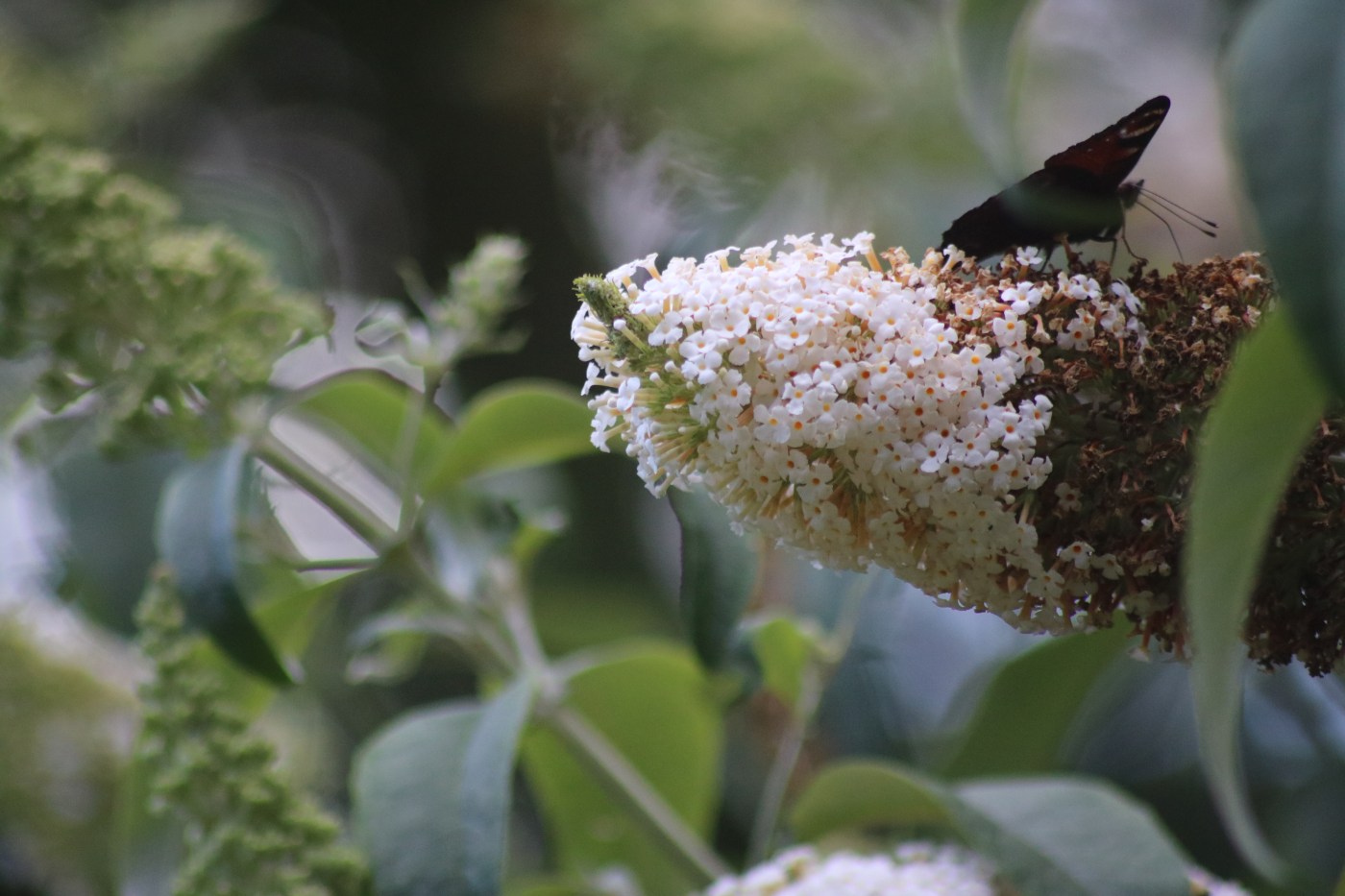
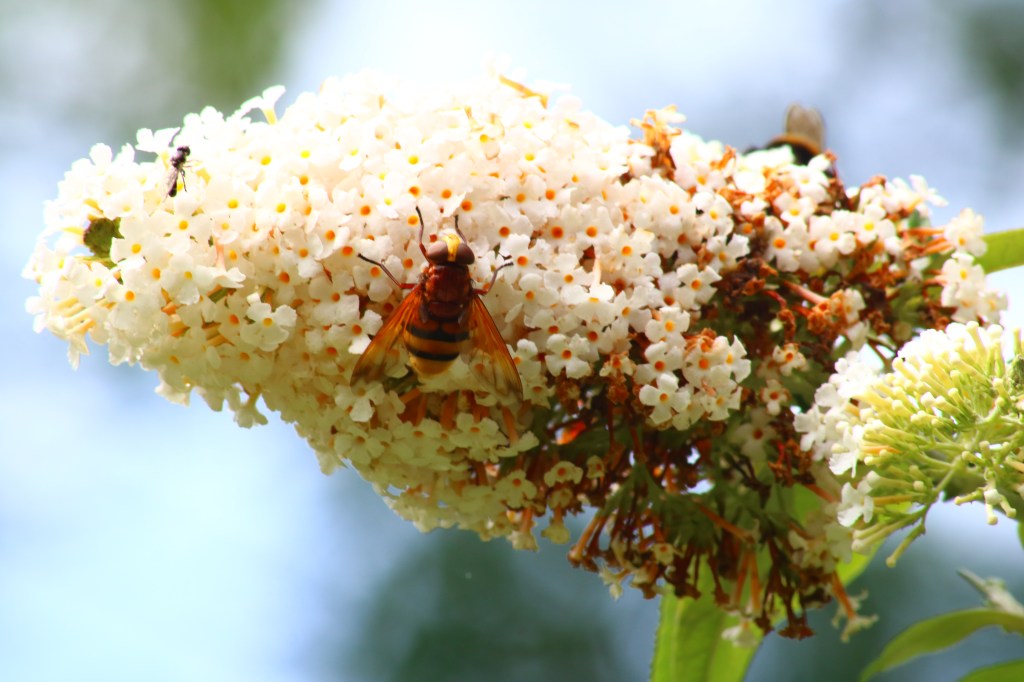
These are probably the species that you’ll end up catering for the most, simply because everyone loves colourful flowers in their garden and having a variety all year round also helps the insects. Dropping into you local plant nursery will give you an idea of what flowers when and it’ll likely be cheaper than the garden centre. If you decide to put up feeders, use your normal sugarbeet sugar from Asda, honey mixed with water weirdly doesn’t do the bees or butterflies much good. There are a lot of plants to choose from, go native when you can, blue bells, (try and avoid the Spanish ones unless you live in Spain, but if you can’t find native then it isn’t the end of the world), Snow drops, Primroses, cow slips, daisies, hawthorn, foxgloves and the like, but when you inevitably need a bit more variety look at species that don’t have the layered petals. Our wildlife do not have the equipment to reach the nectar, so not only will these flowers not get pollinated but it also doesn’t help the bees and butterflies as much.
It seems obvious but don’t kill of the caterpillars, and allow some caterpillar friendly plants like: Red Clover, Lunaria annua, Fox gloves, Marjoram, Blackthorn, Ivy, Holly, Bramble, even stinging nettles. Having a wild corner for your brambles and stingers may not be feasible for every garden, you can normally find some alternatives.
A Final Note
Please Don’t harm the Moles. I understand they mess up the lawn, but they are now endangered in a lot of the UK, Be good to Moles.
This is already far too long, so I shall leave you here. Enjoy the birds and beasts and have a great life.
 Wonderfully Weird