
Chapter four: The Diversification of life

Phanerozoic Eon
542 Million Years Ago
This is our current Eon. Signifying the start of a huge variation of eukaryotic life. Split into different epochs, you’ll notice that a lot of these have names that relate to places in Europe and North America, they may not be particularly helpful when determining different geological and climate states in other areas of Earth as we learn more about them and our knowledge of prehistoric life, geological and atmospheric history becomes less Euro and North American centric.
The Phanerozoic is where the true extent of our living planet emerges. Things get interesting for a basic zoologist gremlin such as this bedraggled author. Five kinds of changes have remained as time moves ever onwards: continental shift, climate fluctuations, sea levels, oxygen levels and the evolution of life. Welcome to the first line of your temporal address.
Paleozoic Era
541 Million Years Ago
From an explosion of Cambrians to 10 out of 10 great dying experience, this geological time period covers a lot. It is also mainly guesswork. The oldest Oceanic crust that we can create a deposition modal of and date is from the Mesozoic, in order to modal the topography of the Paleozoic, geologists have to guess, using structural relationships between plates, climate-sensitive sediments that only form under specific conditions, and of course, fossils. This is the time of organisms you could turn your human eyes to and recognise as a living organism, with more complex ecosystems to developing as a result. Inhabiting both marine, made up of shallow Epeiric Seas, the extent of which we can modal by looking at lithospheric transgression, and terrestrial environments made up of 6 main continents (Baltica, China, Gondwana, Kazahstania, Laurentia, and Siberia), several micro- continents, and island chains. These continents will change the most during the later stages of the Paleozoic The time of complex Eukaryotic organisms has come.
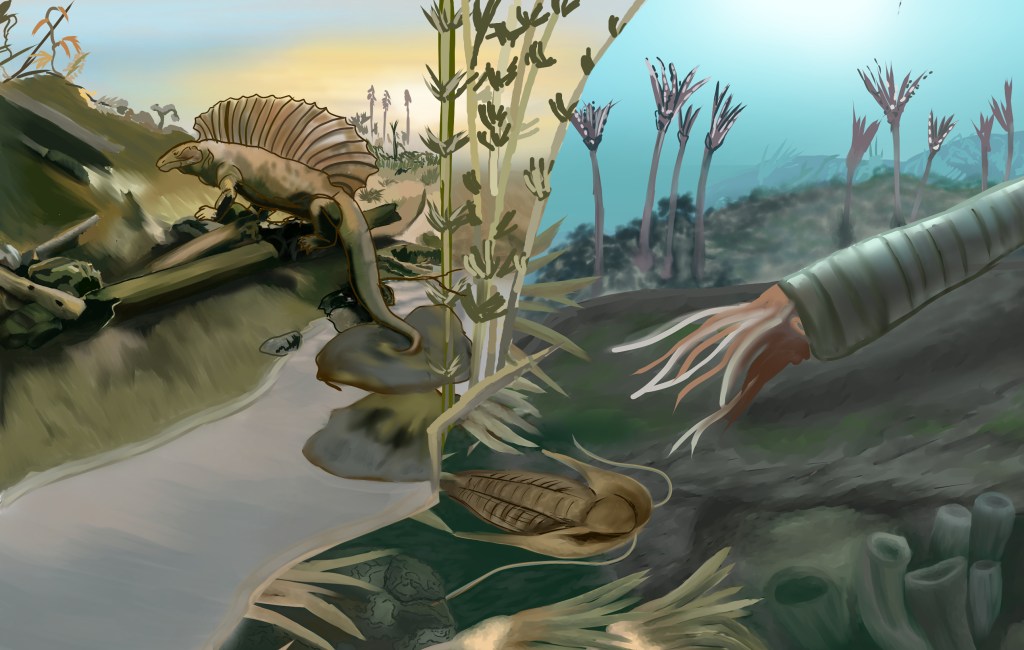
Cambrian
541 Million Years Ago
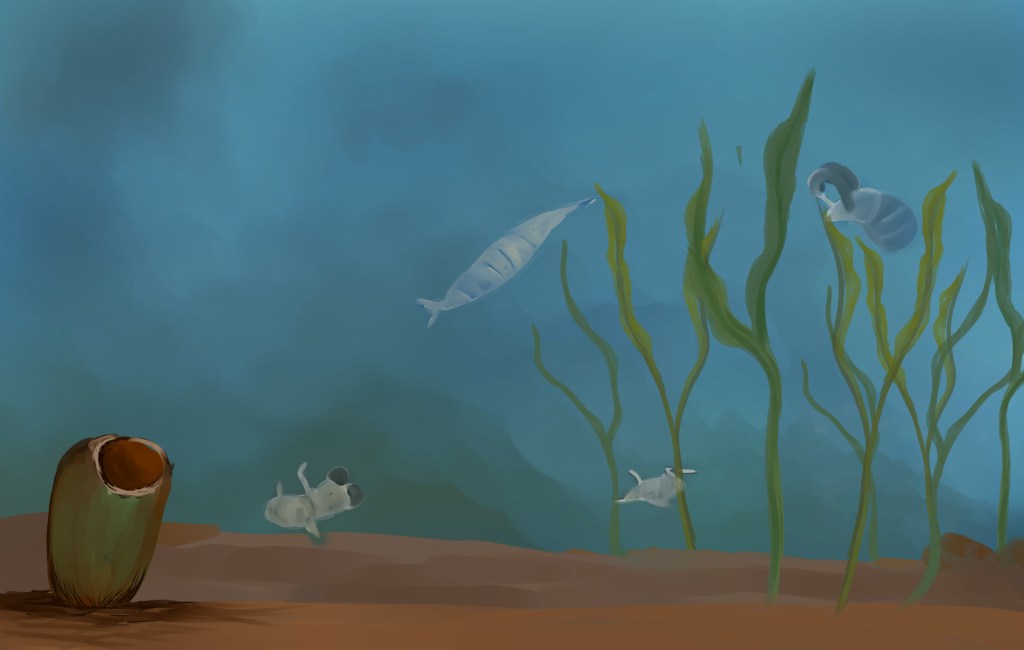
Did the Cambrian explode? Not really. Maybe a bit. Settle in, allow me to explain. More organisms did fossilise because they evolved exoskeletons. Creating the possible illusion, possible accuracy that the seas were far richer than any previous time period. What definitely happened was new classes of organisms diversifide and become very successful.
The First Coral
530 Million Years Ago
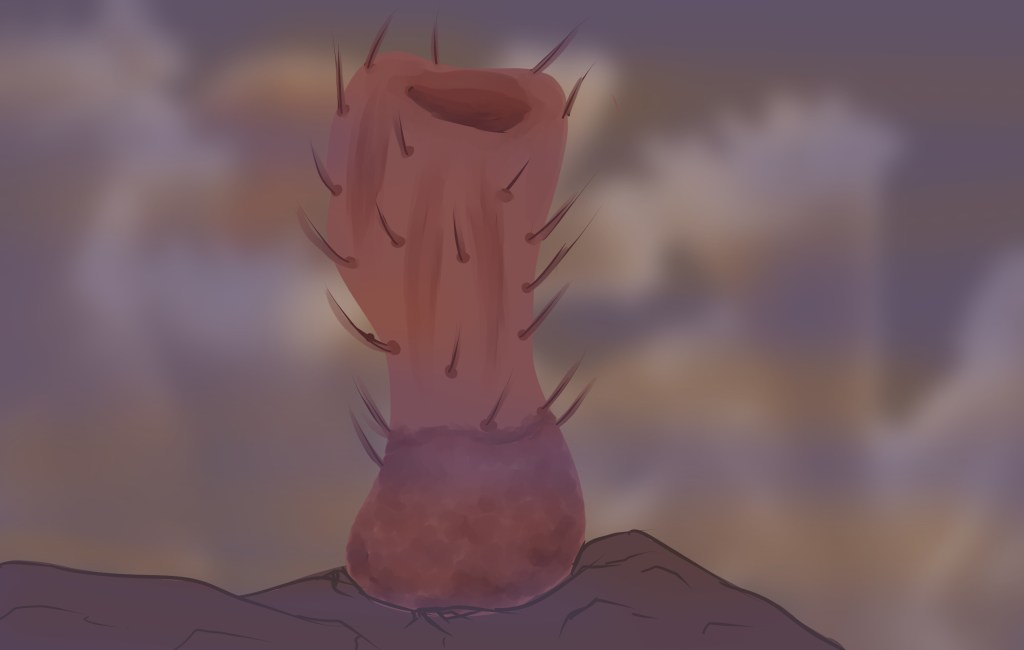
Cnidarians have been part of the fossil record since about 545 Million Years ago during the Late Ediacaran Period, diverging into groups that included the first Anthozoans at 541 Million years ago. These Anthozoans now comprise of the sessile organisms that include corals and anemones. The exact dates where these species diverged and formed the corals (Octocorallia and Hexacorallia being the coral classes of the Anthozoan subphylum) is still very nebulous. Or maybe I’m just bad at research, I’m three breakdown deep into this… article, so it is hard to tell. Much like fungi, corals are partial classified based on the formation of symbiotic relationships, so these need to also be established when looking at the fossil record and using molecular clocks to track proteins.
All in all it’s a bit like determining the head of ferret released into a bag on cat mint, among 10 other ferrets.
The First Bilaterally Symmetrical Organisms
541 Million Years Ago
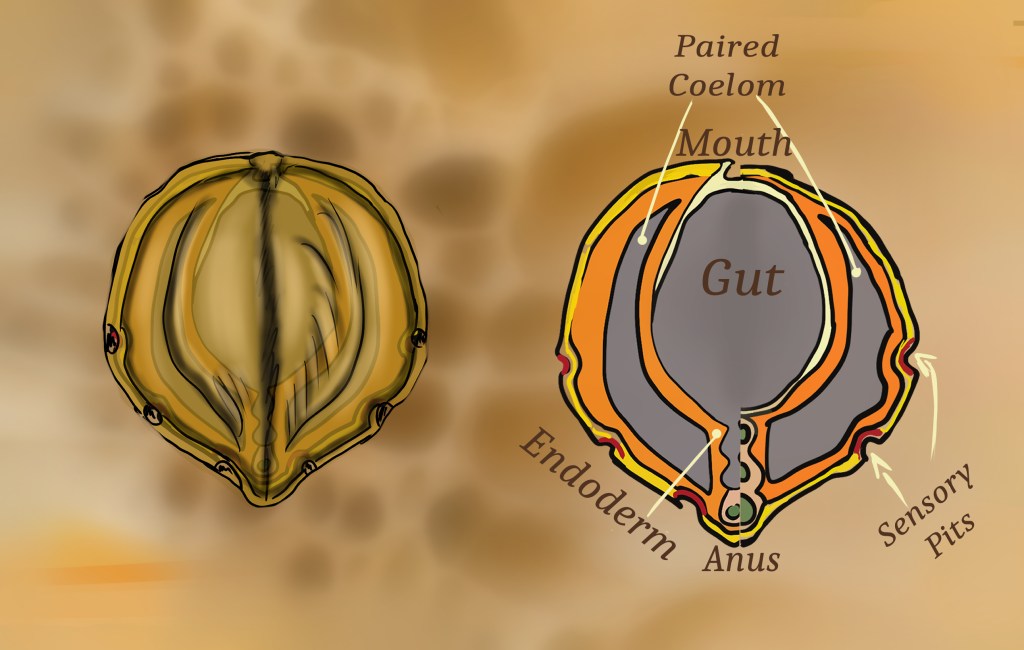
In the fossil record, this is when they start to appear. You are a bilaterally symmetrical organism, as is your mother, the spider that hides in the corner of your room, and any other organism capable of self-propelled movement.
The First Molluscs
540 Million Years Ago
One of the first orders to evolve was Helcionelloida which has been interpreted as some of the early common ancestors for Mollusca.

The First Fish
530 Million Years Ago
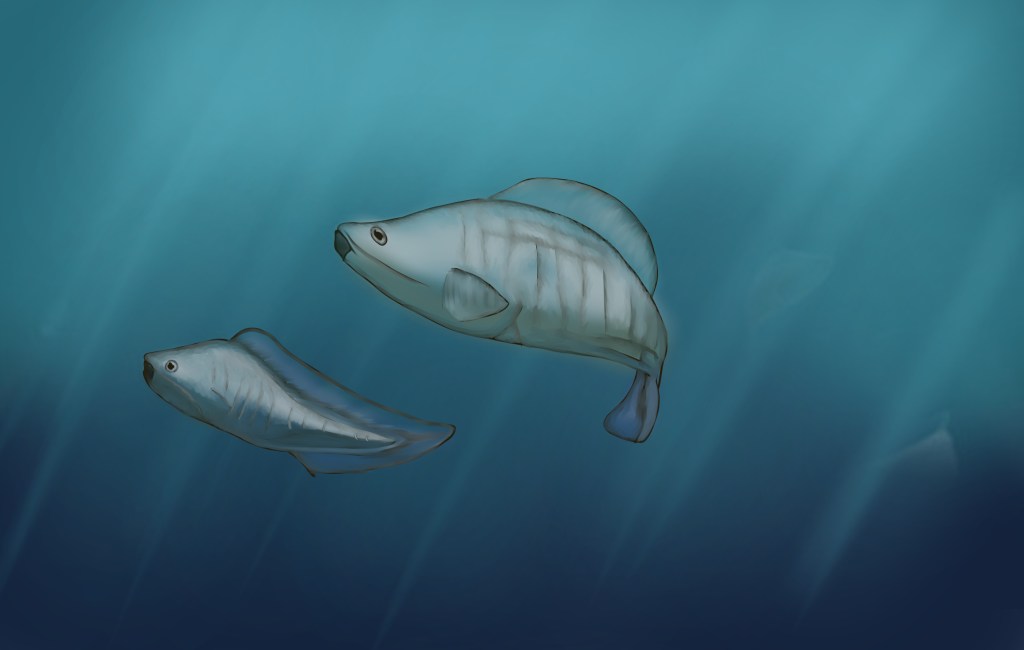
Welcome to the first fish, like Haikouichthys belonging to what would become the Agnatha class, and would go onto diversify into the other two classes, Osteichthyes and much later Chondrichthyes, during the Silurian. If you want to get pernickety about what constitutes a fish, you have my permission to be pernickety with enthusiasm. Which is why I’m already narrowing it down to the common ancestor of the Osteichthyes and later Chondrichthyes.
The First Arthropods
421 Million Years Ago
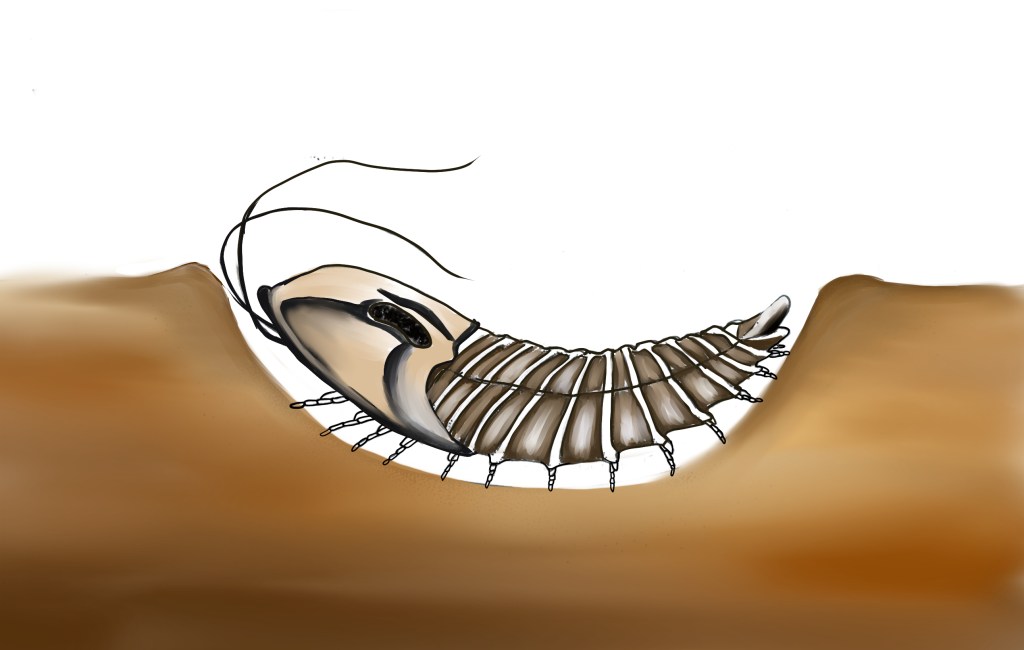
Arthropods have an exoskeleton and therefore fossilise, giving us a more complete record of their evolution as before this time period most organisms were soft bodies, therefore much less likely to leave any fossil evidence. This doesn’t stop disagreements about what should be classed as an arthropod. The Cambrian signifies the start of two major lineages of arthropods, Chelicerata and Mandibulata, their descendants still living today having diversified into many different classes. The trace fossil Rusophycus which may have been the trail of an arthropod dates as far back as here.
The North Star Continues To Form
500 Million Years Ago (or older)
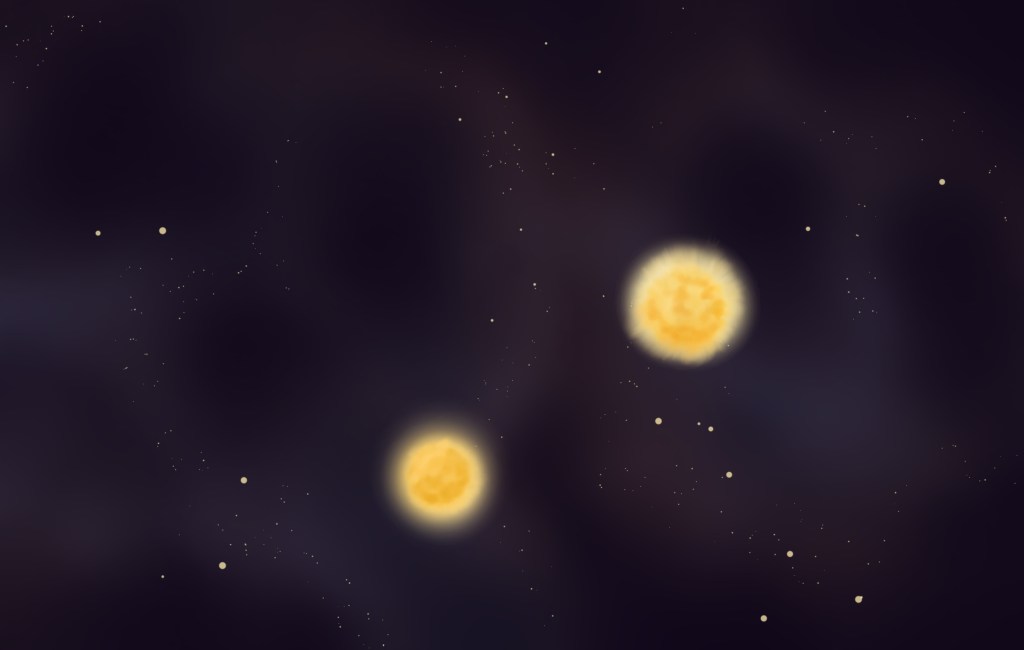
Amid the formation of this strange little biosphere we now call home the celestial ecology of our galaxy continues to shift. The middle child of the Polaris stars is α Umi Ab, is still difficult to read. Astronomers can tell from it’s mass that it is older than 500 million years, but this is also assuming that these three starts aren’t part of the remnants of when other stars merged, which could change their composition and therefore their brightness.
Ordovician
485.4 Million Years Ago
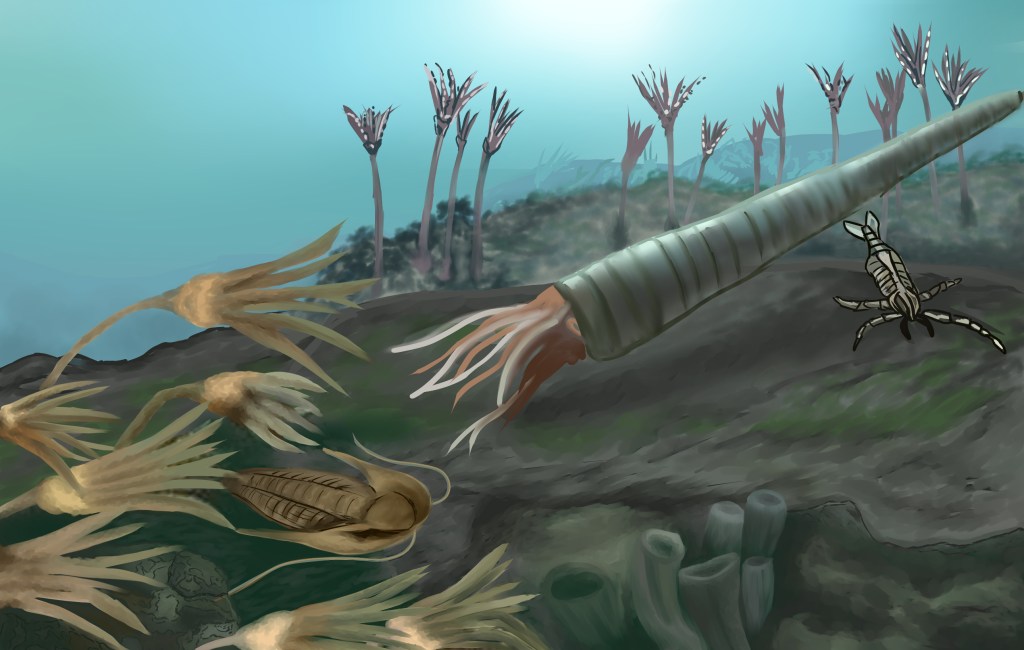
The time that brings you the first non-vascular plants like moss, and water filled with arthropods and molluscs. Divided into seven stages, the information we have from this is by studying layers of rock and the composition of fossilized sea creatures. Geologists can also tell that plate tectonics shifted and changed a lot, due to the deposition of detrital and chemical sediments of the crust and cratons, while palaeontologists have noted Corals, Nortalids and Cephalopods undergoing a lot of radial evolution, at least in the areas that are studied. Mainly in Europe and North America. I’m not judging, just slightly disappointed, the scientific community as a whole loses one scholastic point, but gains it back again because in recent years more studies have been done in more places.
Life on land (Plantae)
470-450 Million Years Ago

We can see the beginnings of these terrestrial plants about 450 million years ago, as they evolved from a small group of green algae. These first plants were probably similar to liverworts and such, spreading through spores, since there weren’t any insects or other ecological systems to spread them. These aren’t, as far as we can tell, direct ancestors of liverworts and mosses themselves, those come a little later, but much more generally part of plant evolution. These particular plants were non-vascular, meaning they lacked xylem and phloem found in most modern plants like trees, daffodils, all of your food, and the harvesters of blood themselves, roses.
1st Mass Extinction
450 to 443.8 Million Years Ago
The Late Ordovician mass extinction occurred during the Ordovician – Silurian transition. Possibly initiated by glaciation, causing sea levels to drop. The species that had established niches along the marine–terrestrial divide would have either had to adapt or die, along with the change in sea temperature that proved too much for an estimated 60% of marine life. This event was a two pulse event, together eliminating about 85% of species. Glaciation isn’t the only theory for the driving force behind this mass extinction, volcanism is another theory, but the solid reason for this extinction event is temperature changes. Mainly affecting brachiopods, bryozoans, conodonts, trilobites, echinoderms, corals, bivalves and graptolites. Despite the huge plummet in species, the broad structures of species morphology and ecology didn’t change, niches largely stayed the same. Diversity would slowly recover over the next 5 million years.
Silurian
443.8 Million Years Ago
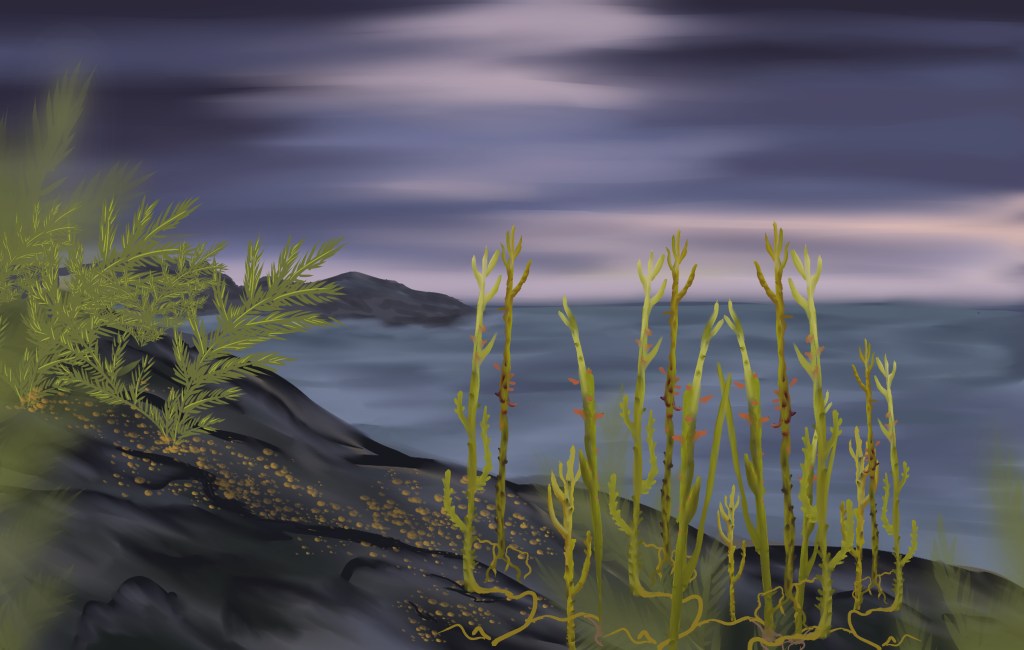
When terrestrial land started to be habitable by arthropods, We were fishes… ish. The first terrestrial vascular plant were growing along with the first fungi, so blame all resulting bad puns on this time period.
The First Vascular plants
430 Million Years Ago
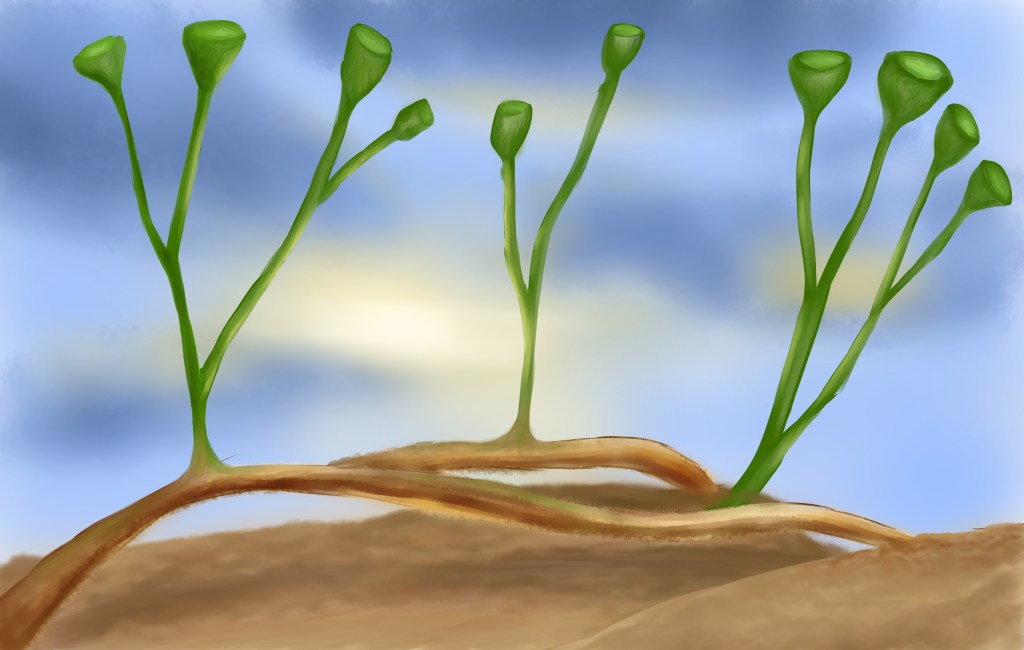
Shoots and leaves are underpinned by a new vascular system of xylem and phloem beginning a huge diversification of new plant species. Being likened to the Cambrian explosion for Plantae.
Life on land (Animalia)
428-414 Million Years Ago
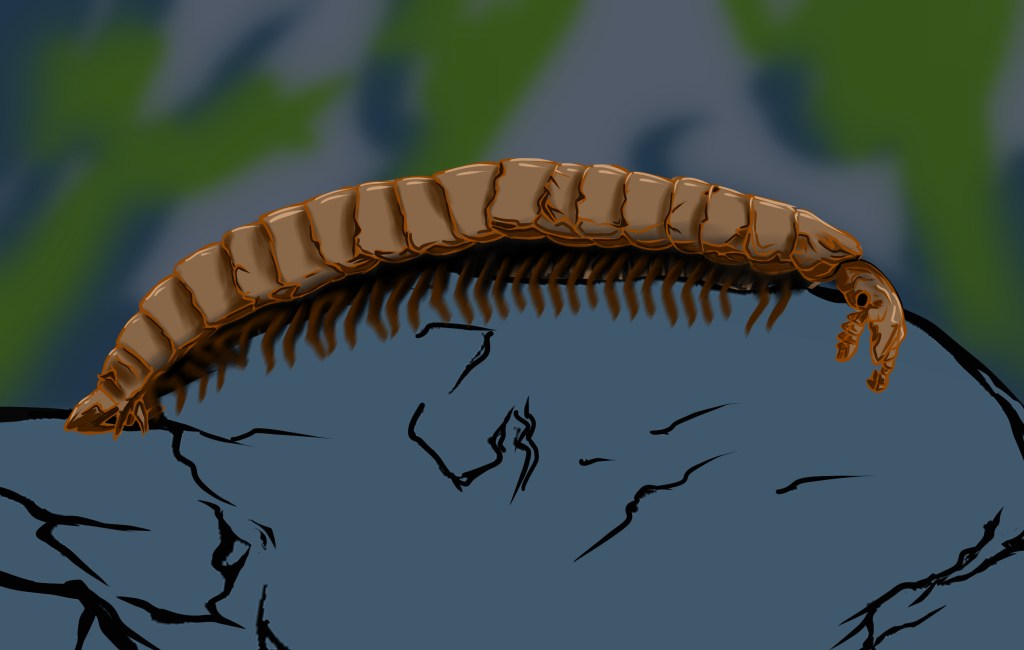
There are a few possibilities for the first air breathing fauna. Pneumodesmus newmani along with a few other specimens such as Cowiedesmus, and Archipolypoda are all millipede species found in the same geological sedimentary rock. Pneumodesmus newmani the better known of the two, as for close to a decade it was likely the oldest terrestrial specimen, new dating methods have shifted this estimation from 428 million years ago to 414 million years ago. But this is science so of course there is a more recent study that states the 428 million estimation is correct. These ancient tiny millipedes from modern day Scotland are causing quite the kafuffal in the palaeontology circuit.
The First Modern Fungi
420 Million Years Ago
If you wish to skip the nonsense of how fungi came about and the intricacies of phylogenetics and taxonomy here is where fungi start to show up in a larger diversity of species within the fossil records. The fossils are still very rare, but these fungi got big, the largest (prototaxites) appearing during the Late Silurian or Early Devonian reaching 8 meters.
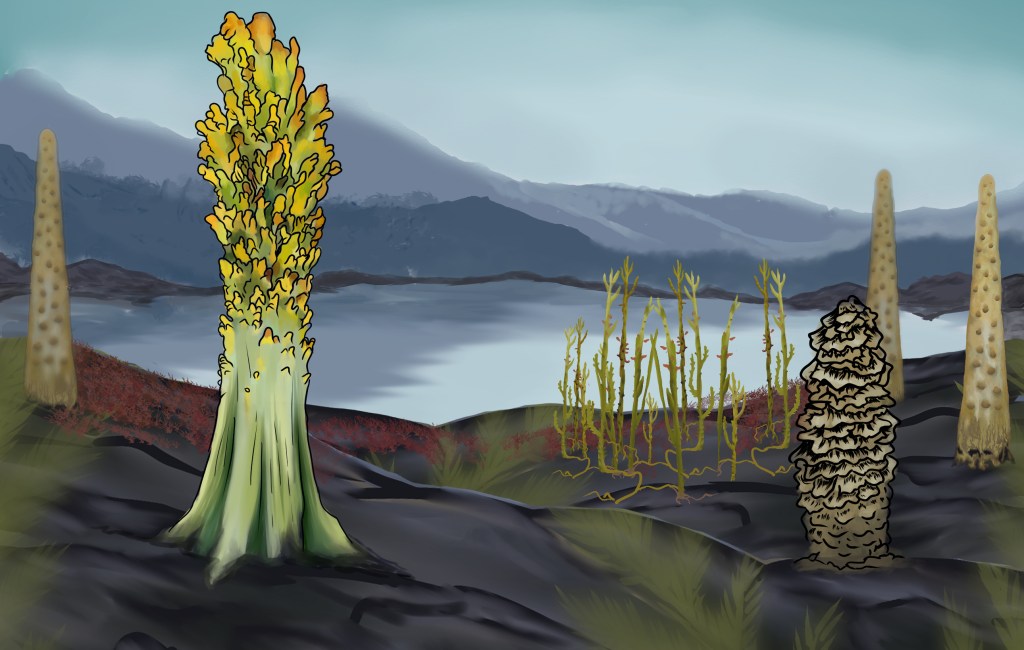
Devonian
419 Million Years Ago
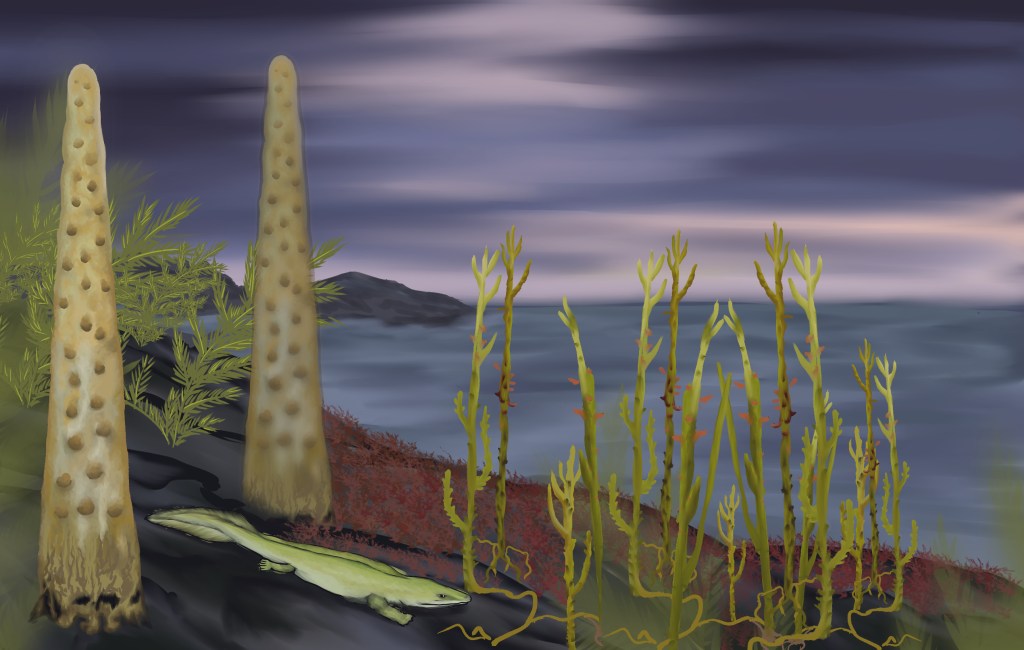
Significant adaptive radiation, with the first forests, and the first amphibians. From big ol’ newt like Hynerpeton to Ichthyostega and a whole load of (what we will settle for calling), fish.
First Woody Plants
407 Million Years Ago
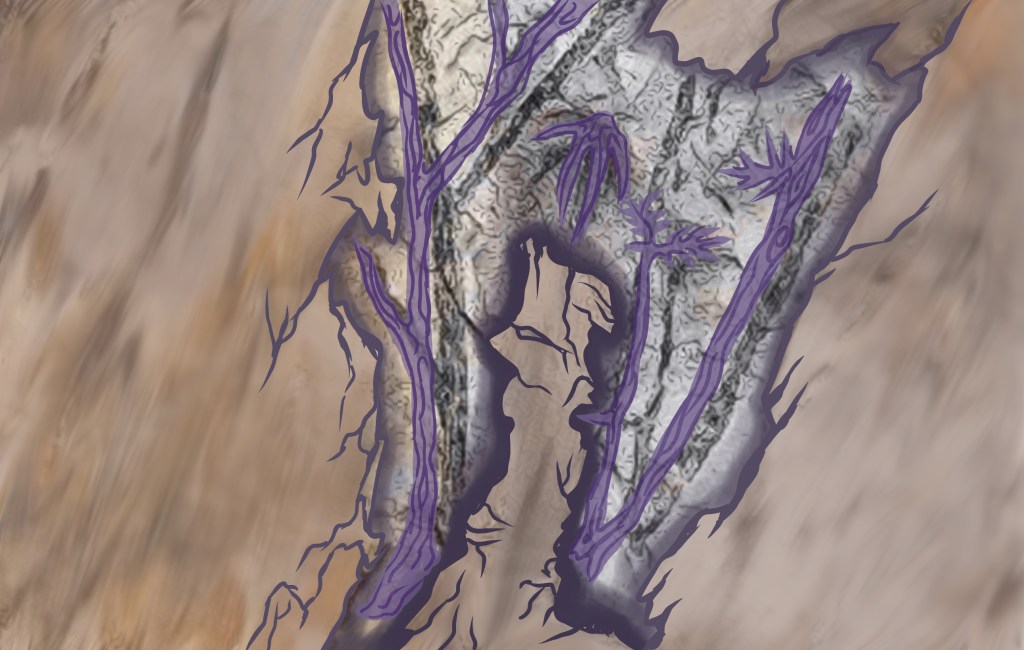
Estimated to be around 407 to 397 years old, These fossils showed secondary xylem otherwise known as advent wood. The radiation of this evolutionary feature would lead to a huge number of new species and an extinction event owing to the ecological changed, because this tiny feature would be responsible for creating new environments and ecological niches that, to us, are synonymous with nature.
2nd Mass Extinction Event
372 to 359 Million Years Ago
The Late Devonian Mass Extinction resulted in an estimated 50% of genera and 85% of species becoming extinct. It’s very rare for a mass extinction to happen in one event, they are long and can happen in pulses. This one was possibly 500’000 to 250 million years ago, the range is uncertain. Seemingly only affecting marine life, brachiopods, trilobites and reef-building organisms being the only ones. Ocean anoxia is a popular theory for what caused it, but no solid theories on what would cause this particular depletion in oxygen so extensively.
First Amphibian
368 Million Years Ago
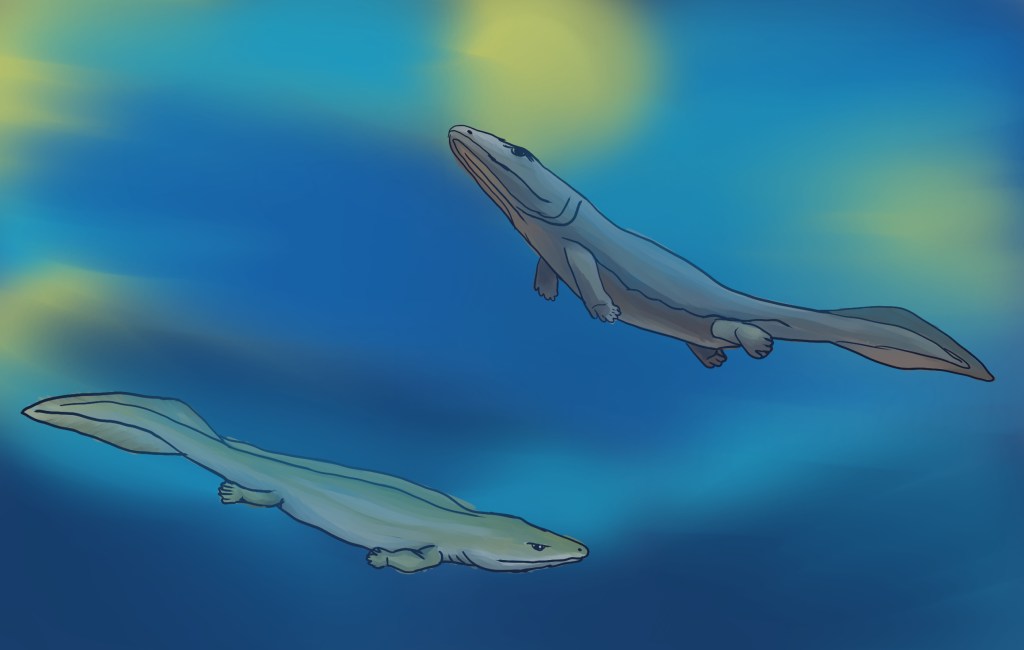
Trying to decipher what constitutes as the first amphibian is a bag full of ferrets on meth. Many of the specimens are fragments. Elginerpeton is one of the earlier fossils, made up of fragments from the scapular, femur, tibia and lower mandible from 368 million years ago, but there are other fossils from extinct genera of tetrapod-like Parmastega which has been dated to 372 million years ago. Which could be, at the very least, a transitional link between fish and amphibians, and classed as a tetrapod. These early tetrapods would evolve into the major fauna groups of mammals, birds, reptiles and modern amphibians. But where in the gradient these early tetrapods could be classed as an amphibian is hard to decipher. Paleo-genealogy is super hard.
The first Forests
360 Million Years Ago

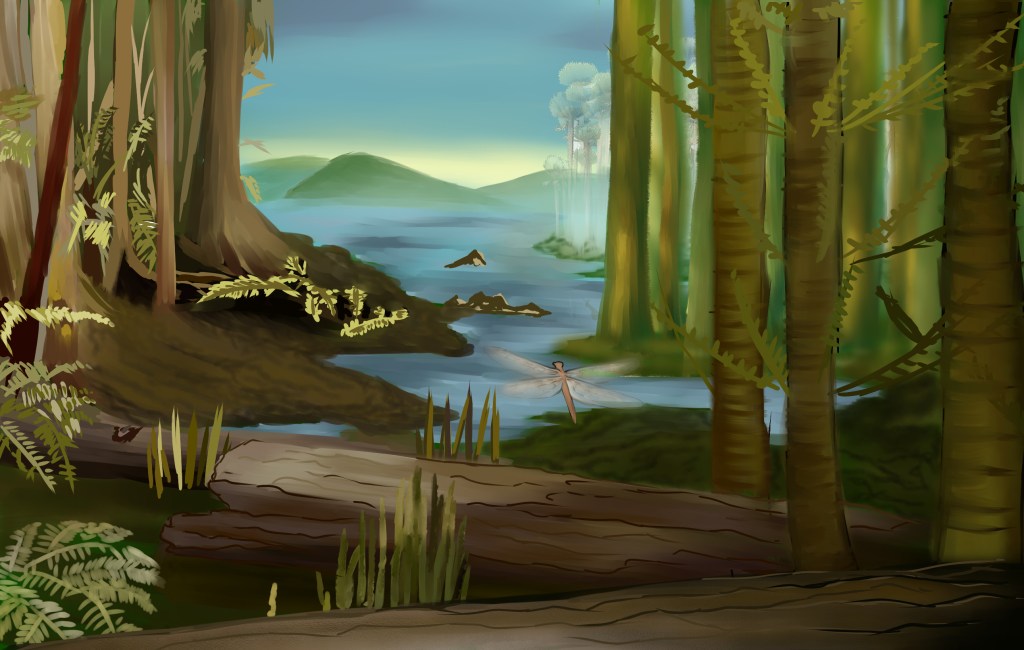
The first forests bring about a new and entirely different ecosystem. These forests construct new ecological niches, becoming a driving force behind our current detritovours and as these environments spread and grew they triggered an added element to the climate fluctuations.
Carboniferous
358.9 Million Years Ago
The one with big ass bugs and a shit tone of coal. Woody plants really took off, but the decomposers of the ecosystems hadn’t quite adapted to this yet, which meant all this organic matter couldn’t be broken down, leaving us with the layer of coal. And why it is a finite resource, because every epoch since has had decomposers who can handle it. An interesting thing that is currently happening in the evolution of bacteria and decomposers, is that some bacteria can break down plastics, as a result of their being a resource in abundance. The old adage of “life finds a way” is ringing true presently, as it did 358.9 million years ago with this new resource called wood.
Third Oxidation Event
350 Million Years Ago
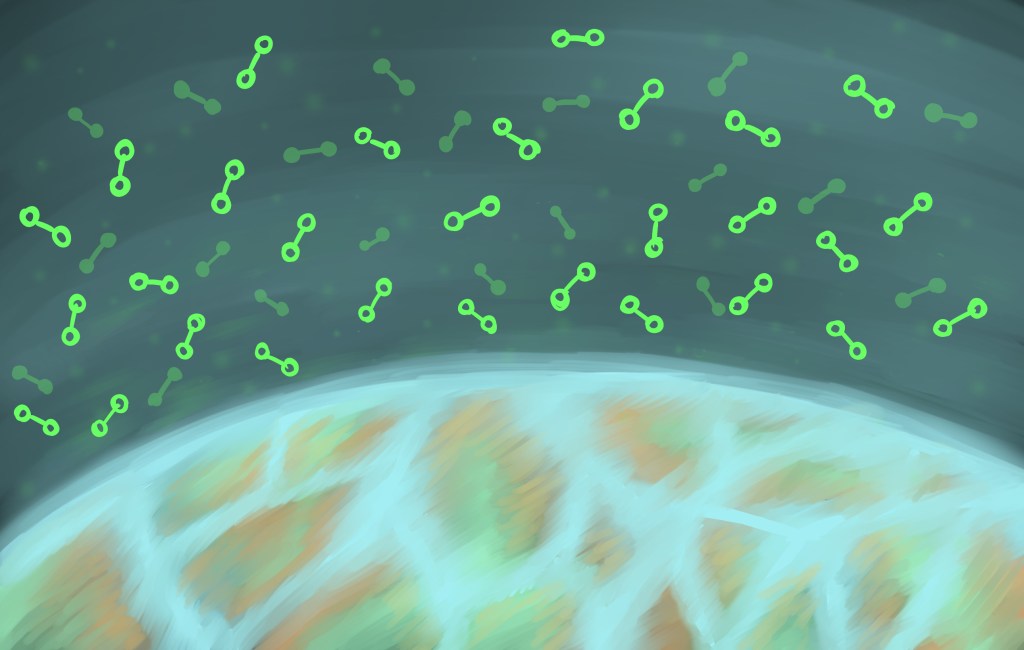
In part due to the huge influx of plant life, this event is a huge part of why the Carboniferous is known as the time period with all the massive insects. This amount of oxygen in the atmosphere allowed the insects to oxygenate their bodies despite having an open circulatory system with no true lungs.
First Amniotes
350 Million Years Ago
The first amniotes were a group of tetrapods that laid their already fertilized eggs on land or retained them inside their bodies. These species would diversify into many of our modern vertebrates, including mammals, birds and reptiles.
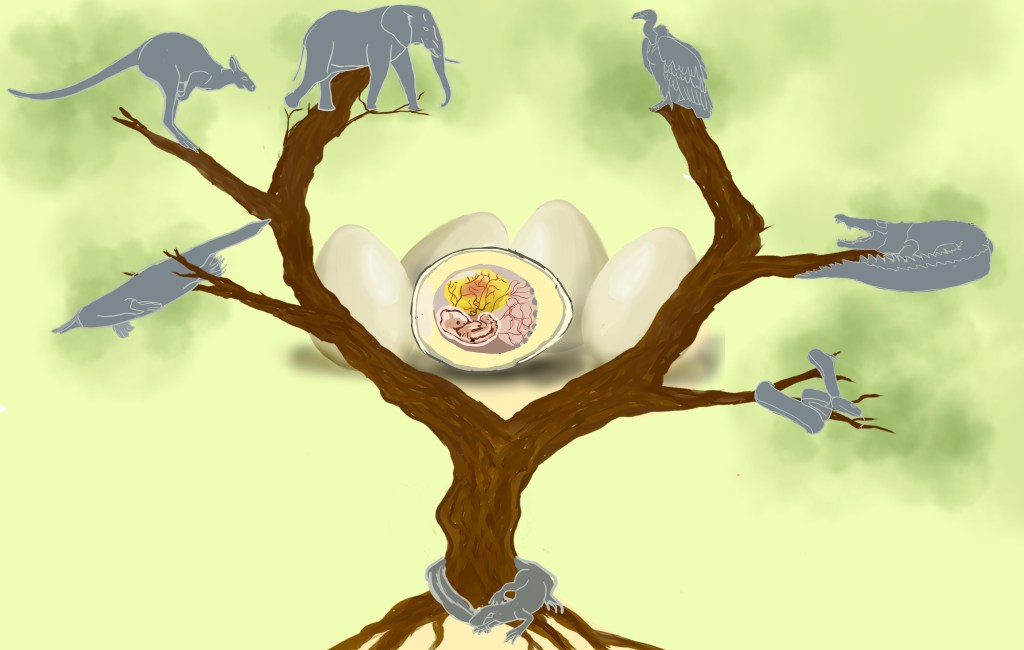
First Reptiles
312 Million Years Ago
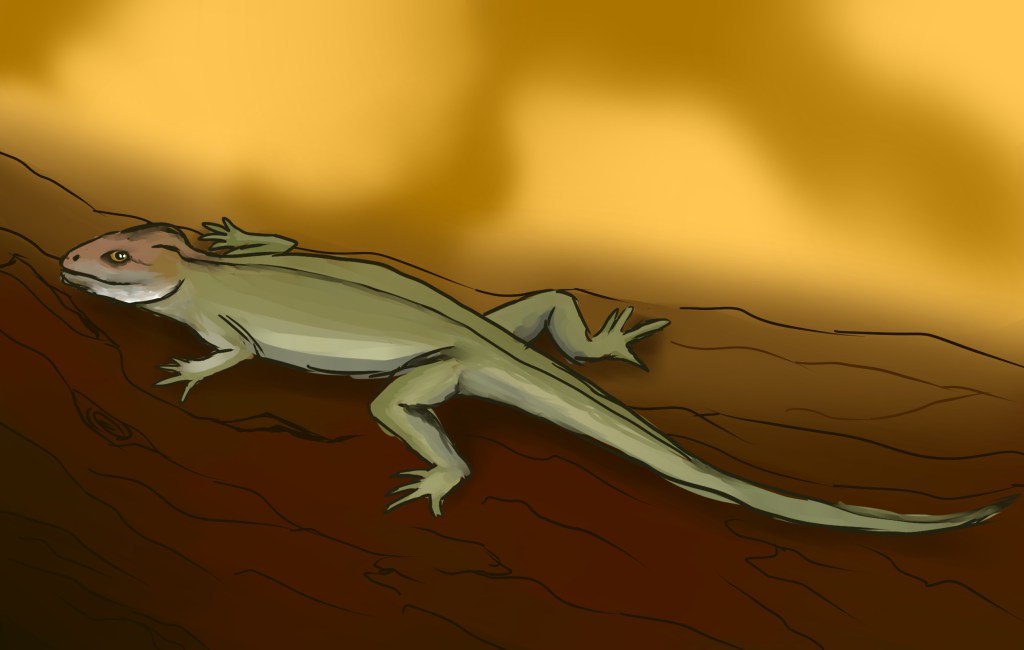
Species like Hylonomus are a genus of the earliest common ancestors for reptiles, meaning they are the earliest species we’ve found so far that all reptiles can trace their lineages back to. Westlothiana did have reptile-like eggs, much like the leathery eggs of pythons, but its morphology shares more in common with amphibians, and other specimens are too fragmented to give much of an indication.
Permian
298.9 Million Years Ago
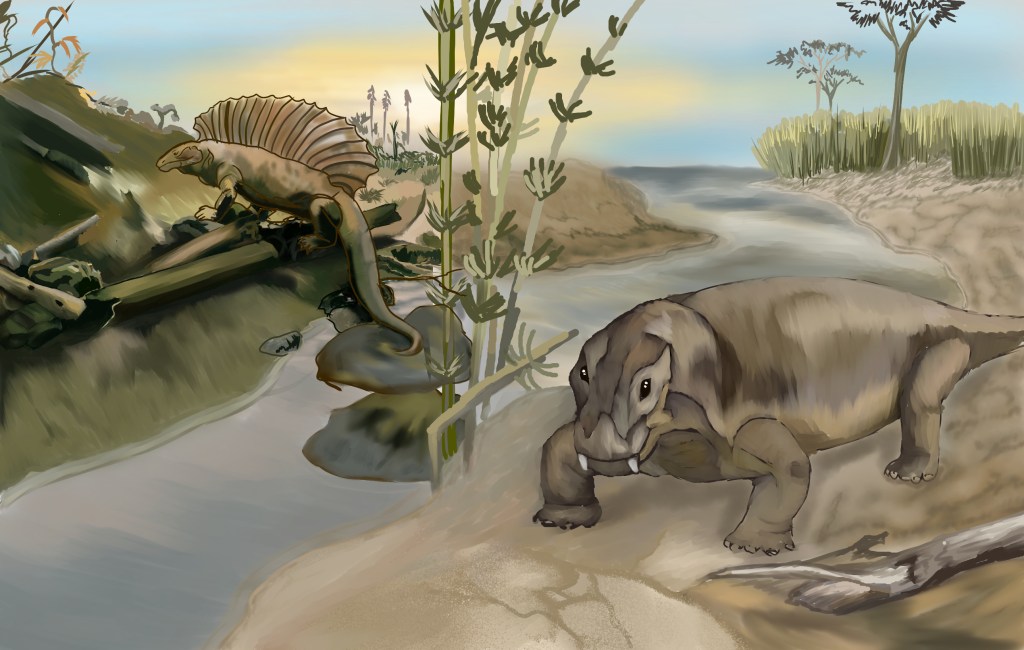
Pangaea forms from Gondwana and Euamerica, setting the stage for the dinosaurs that aren’t actually dinosaurs, therapsids. Which dominate the land. The ones with the big sails evolving first. It was the 3rd of the main five mass extinction event that puts a stop to that and instead leads to dinosaurs.
3rd Mass Extinction Event
251 Million Years Ago

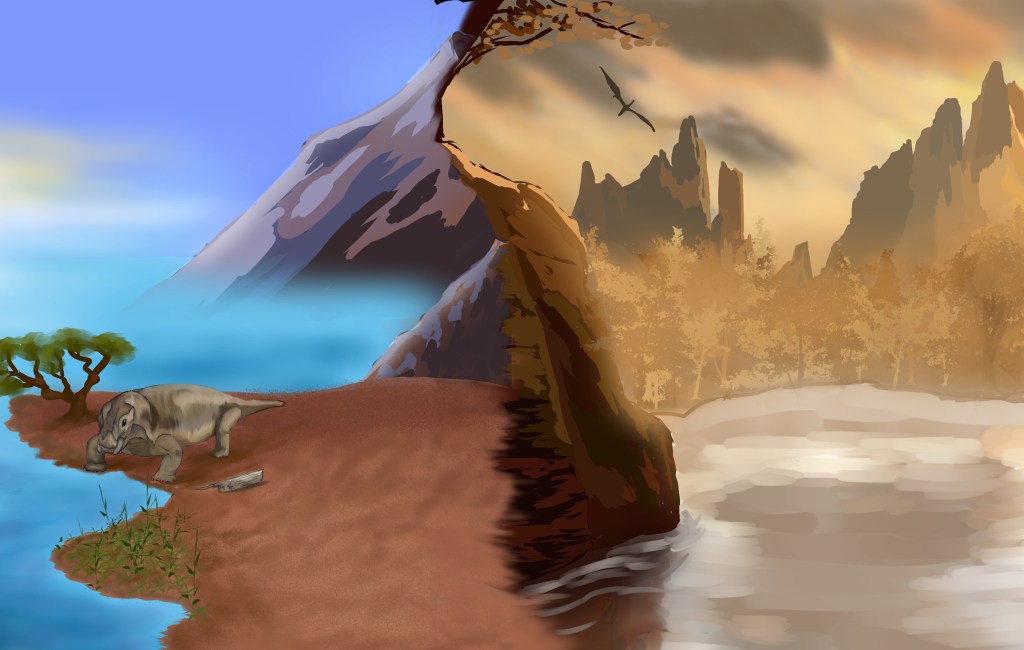
This is the one that you may recognise as the very dramatically named “The Great dying”. The most devastating event that we know of, 57% of biological families and 83% of all genera became extinct. This event hit both marine and terrestrial vertebrate species badly, but it was predominantly known for the mass extinction of insects. The main groups affected being Glosselytroded, Miomoptera and Protorthoptera were the only groups found in deposits after this event. Calconeurodeans, Monurans, Paleodictyopteroids, Protelytropterans and Protodonates all become extinct at the end of the Permian.
There are several hypotheses of what events contributed and caused such a large extinction. Ranging from geological shifts initiated by volcanism, methane hydrate gasification, anoxia of the oceans allowing for sulfate-reducing bacteria, causing large spikes in hydrogen sulfate emissions, the formation of the supercontinent Pangaea and microbes. Evidence varies and probably a combination of causes made it the mass extinction that it was.
Mesozoic Era
248 Million Years Ago
Let’s face it, we all had a dinosaur and a mythology phase. Even if we weren’t a gender that actively encouraged these phases we still had them. Some of them lasted one singular moment when visiting a museum, others lasted years, and some of us never truly left them. Nor should you, but finding reliable information can be tricky. Films lie to you, the BBC’s “walking with dinosaurs” is out of date, and reference books cost the earth you stand on and your right kidney. So let me give you an outline that your 6-year-old self will be shocked you even need, because at the age of 23 the dementia is clearly kicking in and you’ve forgotten some of the broader details of what dinosaurs came when. For those of you who haven’t had your dinosaur phase yet, I don’t care how old you are, you are 6 years old again. Welcome to the age of reptiles! The death of Pangaea and the disintegration of Gondwana.
The fragmentation of Pangaea and the continuing shifts of the continents can be discovered by looking at the detrital and chemical sediments both as part of the crust and cratons, but also by looking at magnetic signatures from the oceanic crust. Rifts formed, notably between Laurasia and Gondwana, filling with seawater and creating an ocean basin that would become the Atlantic over millions of years. Mapping the movement of the globe’s mobile belts gives us an indication of how stable the geology was and how these shifts may have shaped the biosphere by separating populations and changing the climate, even allowing us to narrow down the causes for various extinction events.
Triassic
251.9 Million Years Ago
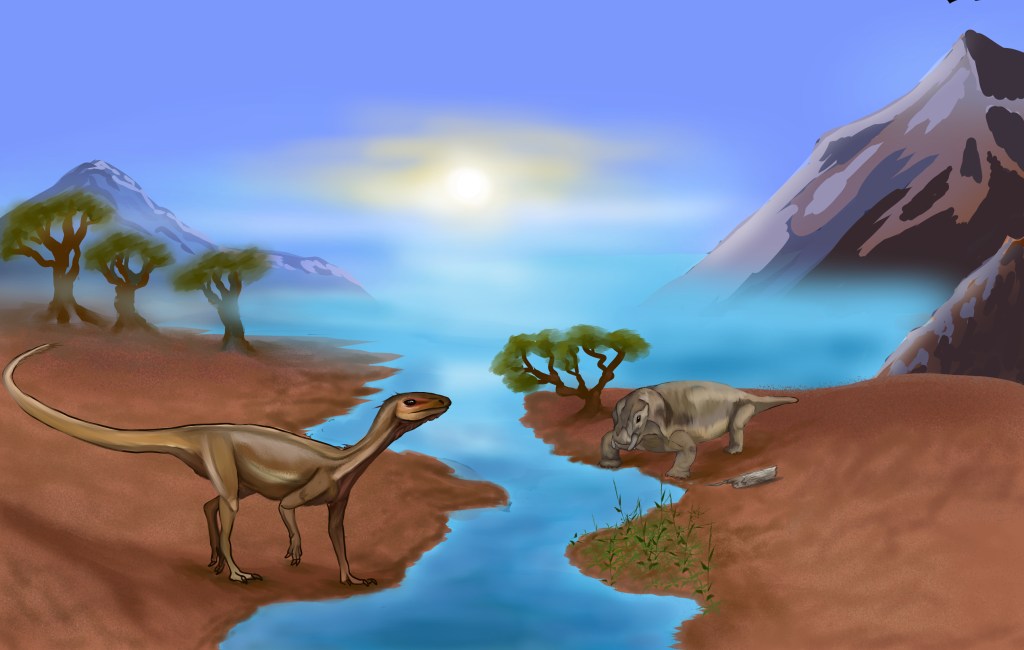
The First one with Dinosaurs. A time of recovery, and transition from therapsids to archosaurs. A lot of Pangaea is arid and dry, that’s the problem with supercontinents. The first lactating mammals evolve and reptiles, especially the archosaurs, start to take over, while therapsids start to decline. The first pterosaurs and ancestors of crocodilians also evolve. Rifts and breaking apart of Pangaea into Laurasia and Gondwana causes a climate shift to something more humid, this whipped out a lot of pseudosuchian species which allowed the dinosaurs to dominate.
The first Dinosaurs estimated
243 Million Years Ago
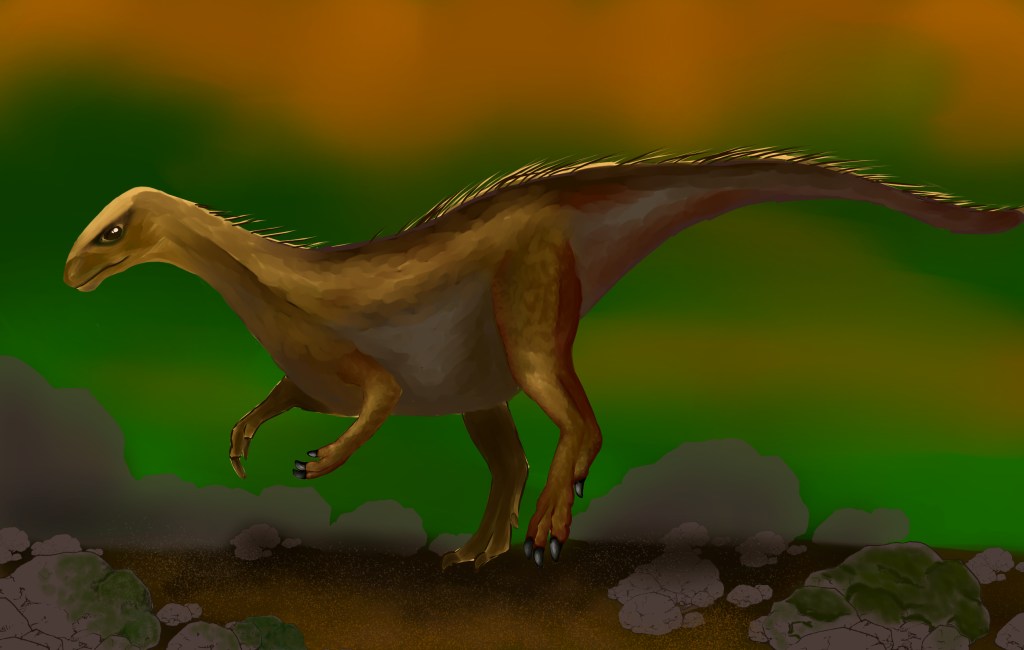
During the mid-Triassic, we welcome Nyasasaurus Parringtoni. This is the closest to the common ancestor of all dinosaurs that we have found, part of the archosaur genus. The fossils were found in Tanzania comprising of fragments of an arm bone and some vertebrae. Very little is known about it, but its size can be estimated at around 100cm high, as well as its locomotion, being largely bipedal.
First Mammal Species
205 Million Years Ago
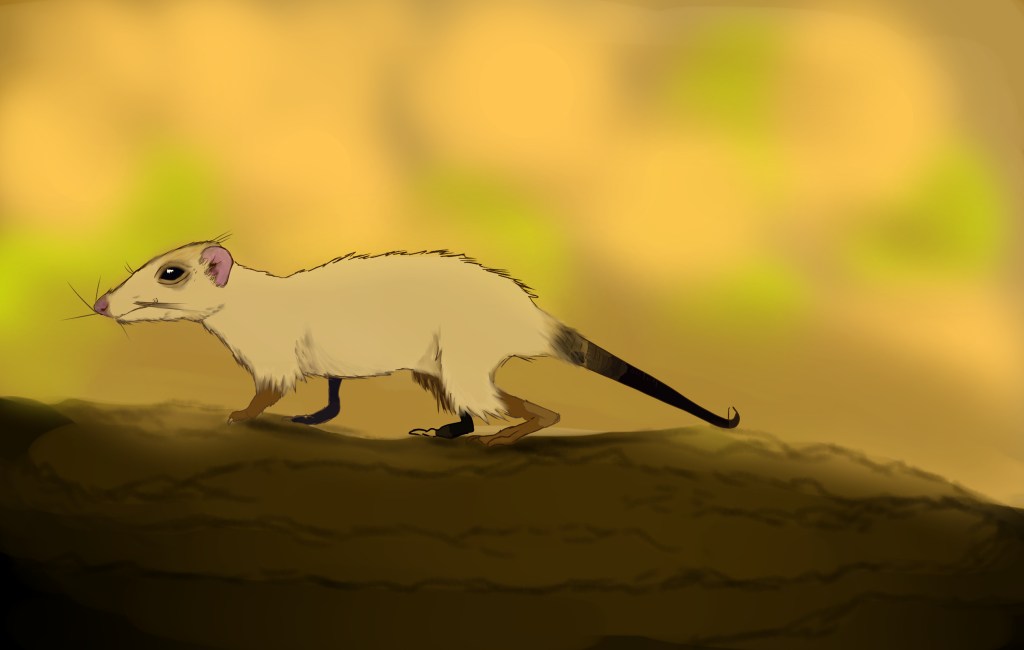
Morganucondon is estimated to be the first true mammal genus found in the fossil record. Your evolutionary Grandma came about at the boundary between Triassic and Jurassic, shrew like in both size and diet. A brief note about some taxa like synodonts. Synodonts are important when discussing the evolution of mammals as a whole, since they hold a place of not-quite-a-mammals, but having mammal-like traits. However, these are not the true mammals that evolved later, like Morganucondon.
4th Mass Extinction Event
201 Million Years Ago
The Triassic-Jurrasic extinction event. Both terrestrial and aquatic fauna were affected, an estimated 23% to 34% of marine genera went extinct along with many archosaurs. There seemed to be a number of environmental and climatic changes. Rapid global warming of 3°C to 4°C. Stratification of the ocean basins with consequent decreased water circulation. Increased atmospheric pCO2 inducing a perturbation, (deviation of movement in a normal system), in the carbon cycle. Sea levels fell. Carbonate productivity declined. Volcanic activity has been theorized to be the main cause for these changes, specifically the information gained from Central Atlantic Magmatic Province (CAMP), which has been attributed to the breaking up of Pangaea. This is another extinction event that has phases. Volcanism being the first set of events followed by marine anoxia and acidification of the oceans, our old friends.
Jurassic
201.3 Million Years Ago
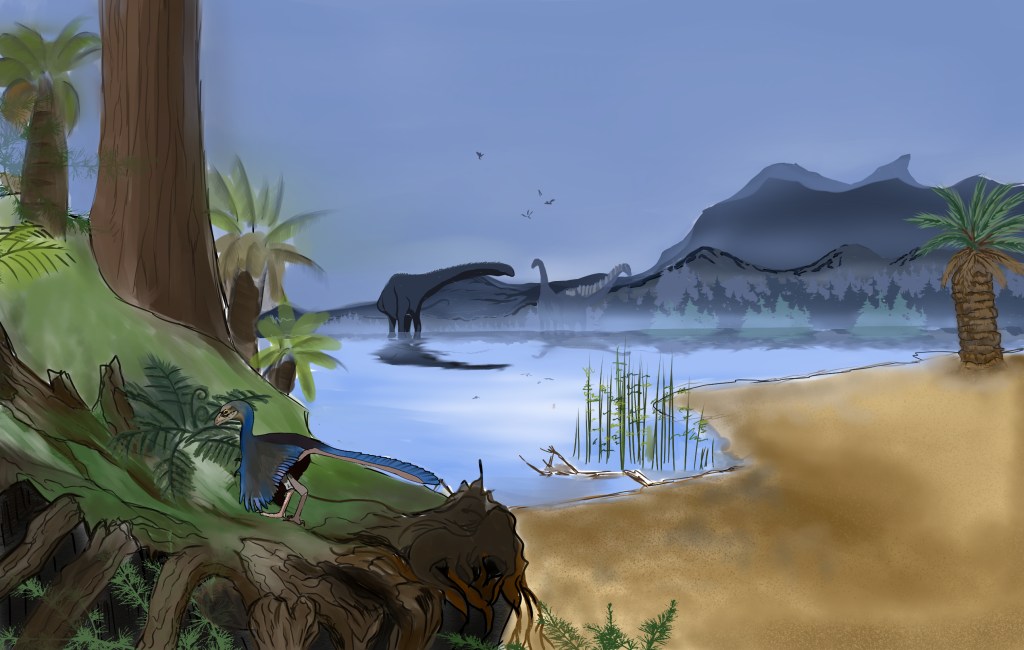
This was the first true age of dinosaurs with the first birds like dinosaurs starting to evolve from a branch of theropods. This is also when a lot of iconic marine reptiles are around, ichthyosaurs, plesiosaurs and the like. The start of species who will become enormous, both theropods and sauropodimorphs trace their lineages back to the Jurassic. There is also some evidence of the first flowers beginning to evolve, although most in the fossil record found them in the Cretaceous.
Cretaceous
145 Million Years Ago
The One with all the classics and when you realized that Hollywood was a lie. I’m talking about Tyrannosaurus Rex and the like. The last geological time period with what we would consider true dinosaurs, every species has its end. Until you hear and see a cassuary.
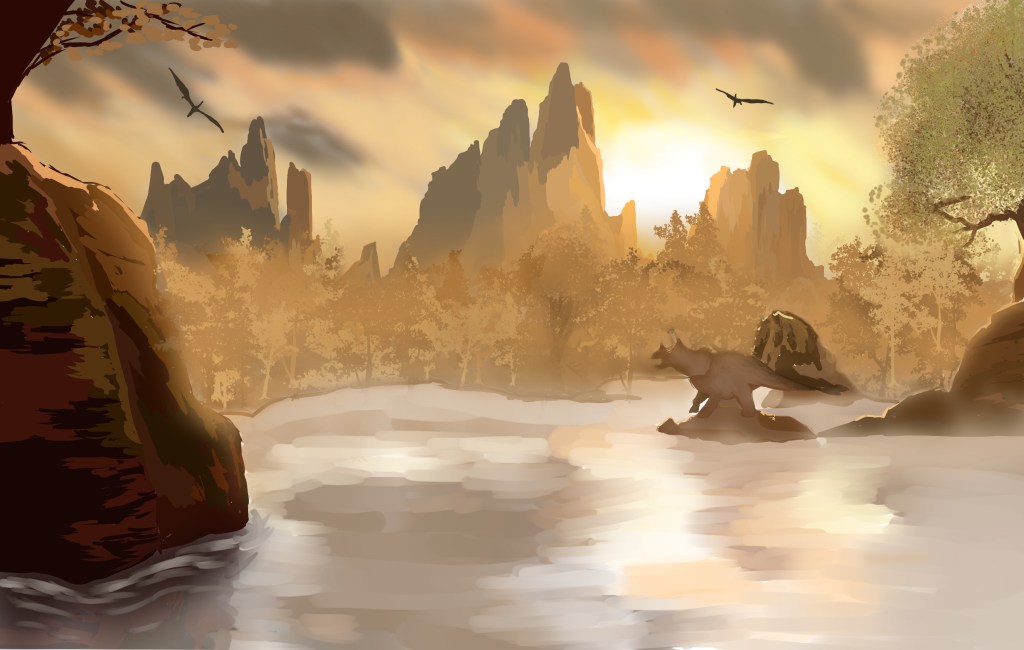
First Flowering Plants
135 Million Years Ago
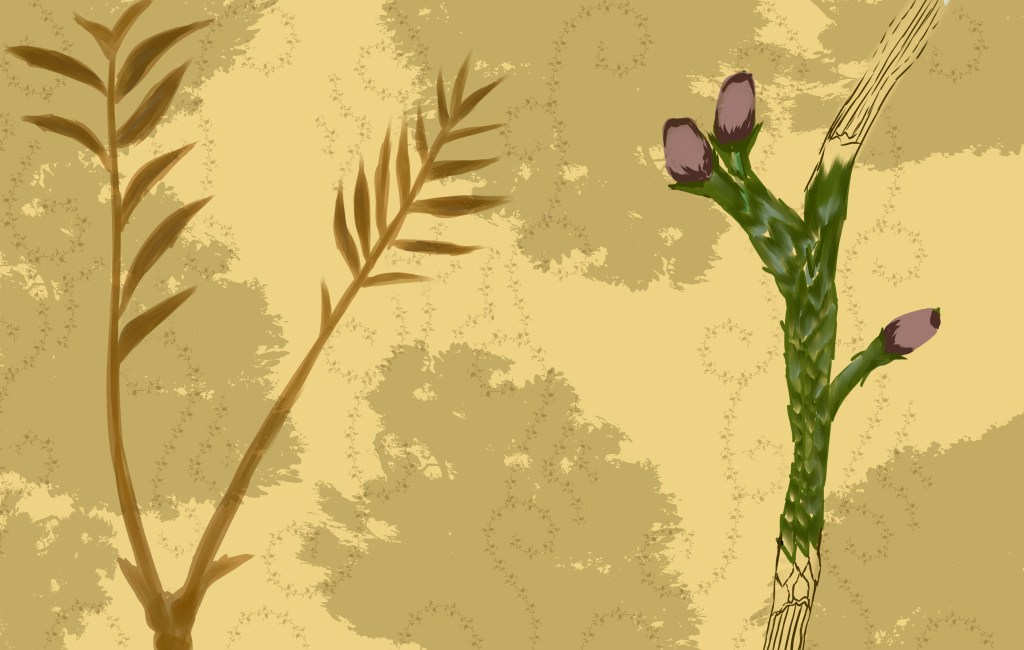
This method of reproduction by plants is one of the first things we think of when describing plants. Flowers are probably your main motivation for planting up a garden or window box. It is easy to assume insect pollination has always been an ecological mechanism, but flowers do not appear substantially in the fossil record until now. In years to come, they will have different scents and even accumulate ultra violate into their petals to attract and direct the predominately insectile pollinators. The specifics of the adaptations may well be permanently lost to time, but we know it started roughly around this time.
The Last Segment of the North Star
67 to 45 Million Years Ago
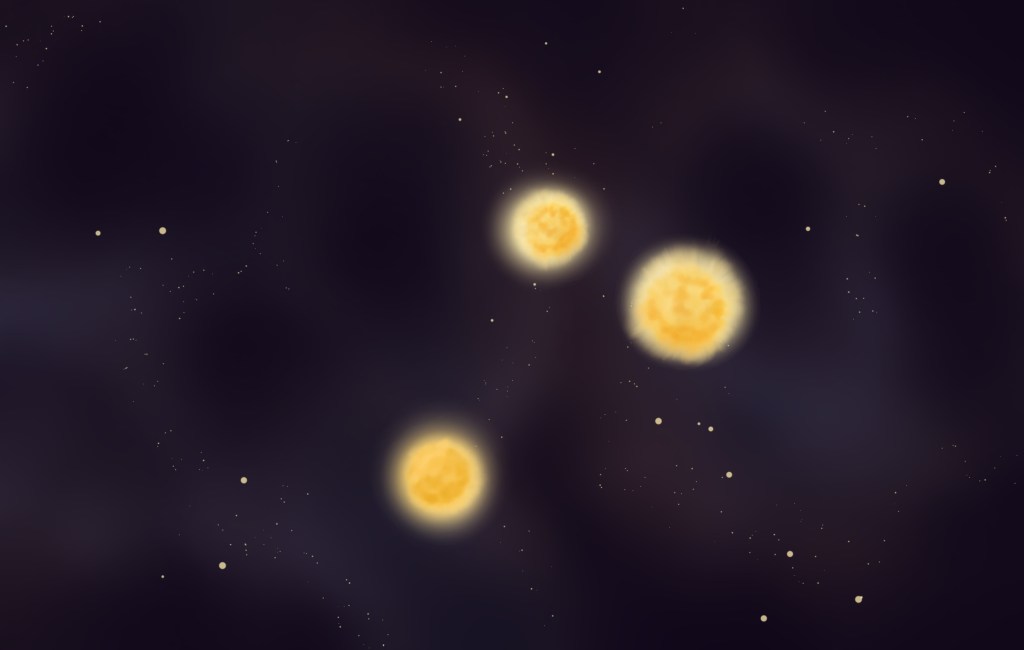
Likely the youngest of the polaris stars is α Umi Aa. There is some speculation at the age of this star, as there is with all things on this meandering journey of ours, but even with additional data and theories the age remains around the 50 to 70 million years mark.
First Modern Birds
66.8 Million Years Ago
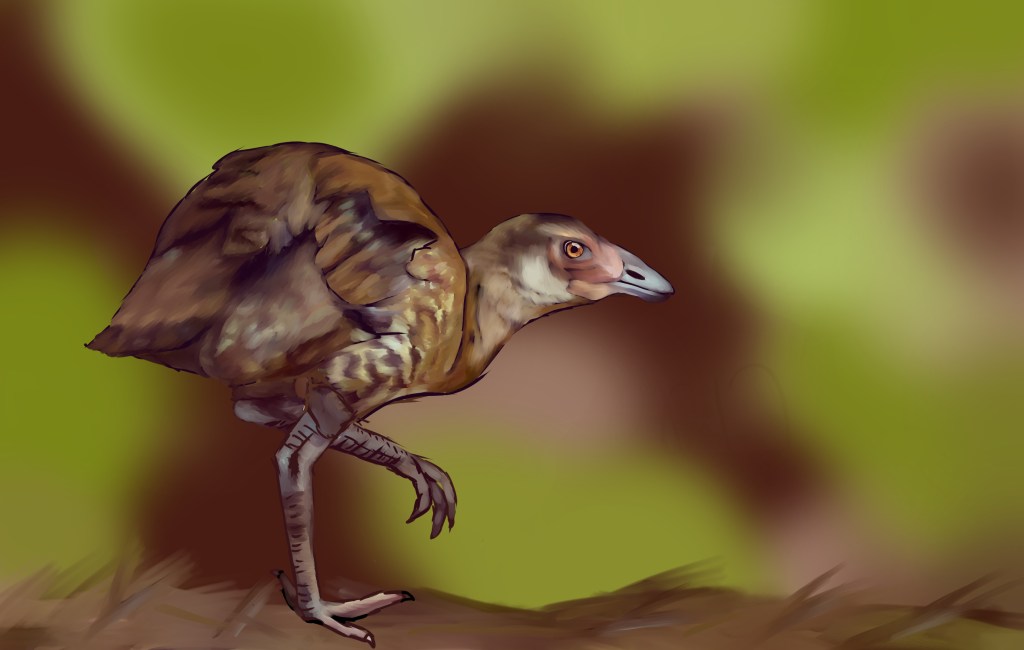
Welcome to Asteriornis, the oldest fossil evidence of modern birds. Also dubbed the wonderchicken, as depending on the angle, it either looks like a duck or a chicken and palaeontologists are odd people. There were genera like archaeopteryx from the Late Jurassic and Ichthyornis of the Late Cretaceous, but these species retained many of their theropod characteristics such as teeth Asteriornis on the other hand was built differently, and would be recognisable as a bird to a modern ornithologist, albeit a confused ornithologist.
5th Mass Extinction Event
66 million years ago
One of the most devastating extinction events, fundamentally damaging to ectotherms or any large-bodied organisms. From impact to shock-waves resonating through the earth and the inability to find evidence of some of the most successful species after the impact, we know the Chuxulub asteroid impact was devistating. The Earth’s atmosphere heated, dust particles smothered light close to crator, earthquakes rumbled through the rest of the earth. Ejected gasses and dust stayed and spread in the atmosphere, altering the climate. Marine life, fungi, non-avian dinosaurs, turtles, non-archosaur marine reptiles, pterosaurs were all either severely effected or annihilated by the resulting climate change caused by the debris thrown up into the atmosphere and acidification of the oceans. The ecological collapse that occurred was due to every level of the biota being effected and therefore making it unstable. It used to be posited that the planet was already under stress from volcanism, but this might not be the case. Without this impact, dinosaurs would have continued to thrive and diversify. As it was, by the end of this extinction even 75% of animal life was extinct.
Cenozoic Era
66 Million Years Ago
The shortest of Eras and abandoned by geologists in favour of using epochs to divide the time scale, because with an era this tiny, you might as well be more specific and use epochs. This is the journey of how mammals seemingly took over the land, seas and ventured into the skies, with birds diversifying alongside them. The very last remnants of the dinosaurs. Due to this Era being far more recent we are able to distinguish much more variety of the global climate, and not just in its general spiral from warm with few ice caps to widespread glaciation. Geological time periods may differ slightly depending on where in the world it’s being measured. In the past 30 years or so, more information about the world at a global scale has been discovered, published, and more widely distributed. So, from the rumbling shifts of the Orogenic Mobile Belts, the continental tilting, frozen expanses of glaciation, to the ongoing argument (or what my parents would call a “loud discussion”), about whether the Anthropocene is real. Let us explore our own geological era. Welcome to the second line of your temporal address.
Palaeogene
66 Million Years Ago
The climate changed significantly during the Palaeogene shifting from warm and humid to dry and cool. The continents were closer to what we recognise today. Honey bees evolved around 42 million years ago, from non-honey-making bees, they’ve been around for a while you see. The laws of physics show their universal nature through the conservation of mass. It doesn’t just occur at a galactic level but at an ecological one as well, the most efficient shape is a hexagon, which is how honey bees structure their hives. The question yet to be answered is whether the hexagons are deliberately built this way, or whether they form from the warm wax shifting and being shaped by the laws of physics into hexagons. Conservation of energy can be seen from suns to manatees, a round shape is the best way to conserve heat, for stars this is simply governed by heat loss, for manatees it is an adaptation for staying warm, as they have no blubber.
Paleocene epoch
66 million years ago
The one where birds ate horses. Whales ambled about and terrestrial Mammals started to become more commonplace.
Eocene epoch
56 million years ago
Where the diversification of our modern species happened. Species such as grass.
First Grasses Evolve
50 Million Years Ago
For a species that is so prevalent, grass evolved pretty late. When it did, it did what the vascular trees did before it and created entire new ecosystems and many an aneurysm for gardeners the world over. With new species and ecological behavioural shifts, it is hard to picture our world without grasses down to our own agricultural practices with domesticated grass species and the aristocratic French bringing us the aneurysm-inducing lawns to the reason for some of the most spectacular migrations of animals on the planet. Grass became ubiquitous in many biomes.
Oligocene epoch
33.9 million years ago
The one where mammals followed the right of passage and became massive, with rhinos taller than modern giraffes.
Neogene
23.03 Million Years Ago

The continents were close to where they are today, however sea levels dropped and famous mountain ranges were only just starting to form. Calling them hills would be inaccurate but they weren’t as extensive as they are today. The lower sea levels connected continents and islands together for the first time, allowing species to migrate and shape the various species that some continents share in the modern day. South America and Australia with their marsupials, springs to mind.
Miocene epoch
23.03 million years ago
The one where megalodon evolved and terrestrial mega-fauna were still knocking about.
First Early Hominin Species
7 Million Years Ago
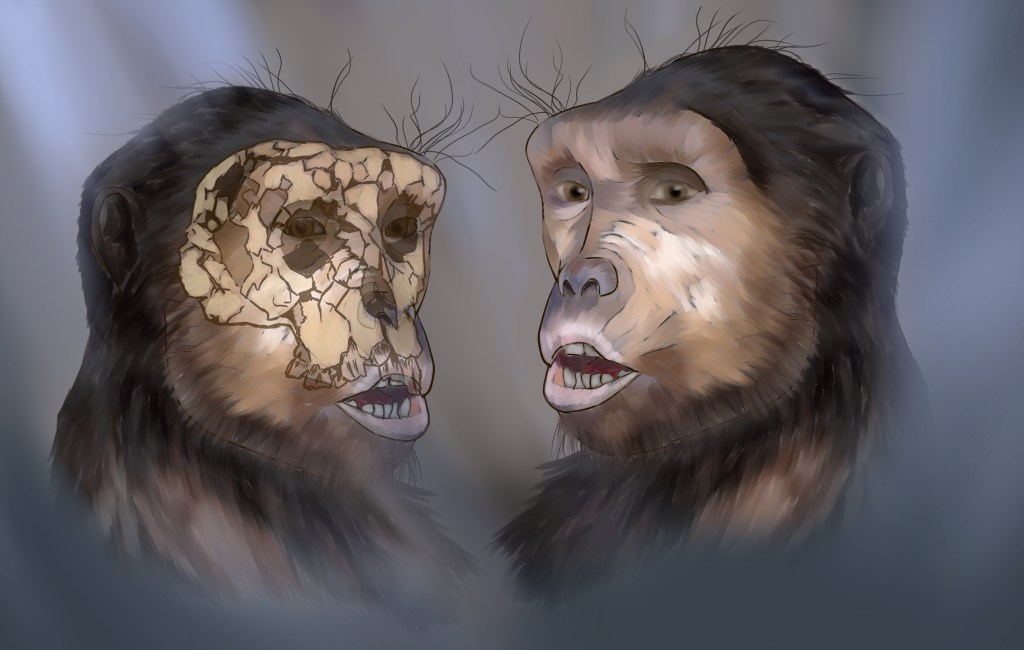
Welcome to Sahelanthropus tchadensis, let’s hope we don’t regret it. Possibly roaming the earth at 7 million years ago around the present-day Sahara, Granny Sahelanthropus tchadensis was a bipedal apelike animal, with small canines. We only have a little data on the cranium, hence why I’m separating this as a species of note rather than a definitive species of early Homo. Ardipithecus ramidus was another species of note. Still very apelike, appearing in the fossil record around 4.4 Million Years Ago. It is thought to be one of the ancestor species for non-human hominins, but with no complete specimens, it remains a question. Palo-genetics is a difficult field to give certainty to with the specimens and technology we currently have. So, even though there are Ardipithecus ramidus specimens that are more complete than Lucy (an Australopithecus afarensis dated 3.9 to 2.9 million years old), they are still not a complete picture.
Pliocene epoch
5.33 million years ago
Many species would be recognisable today and the world is just as dynamic and complex on a biological and meteorological scale as it is now.
Quaternary
2.58 Million Years Ago
The current period we live in. Welcome to the outskirts of your space-time address, the continents are largely the same, the fauna and flora are also largely the same genera throughout history, except the more specialised, like the mega-fauna and the species that prayed on them. They won’t last. But you already knew that. Hominins had already ventured out of Africa 2.5 Million years ago, These Dmanisi Hominins were the first of many waves to do so, but were a hominin species, not a hominid species, meaning they still maintained the apelike features.
Pleistocene
2.58 million years ago
The one with the last major glaciation event, mammoths and the start of humanity’s “are we the baddies?” existential crisis. It wasn’t a Snowball Earth but it did significantly lower sea levels allowing for a lot of migration of these earlier forms of species we would one day see.
First Human Species
1.9 Million Years Ago
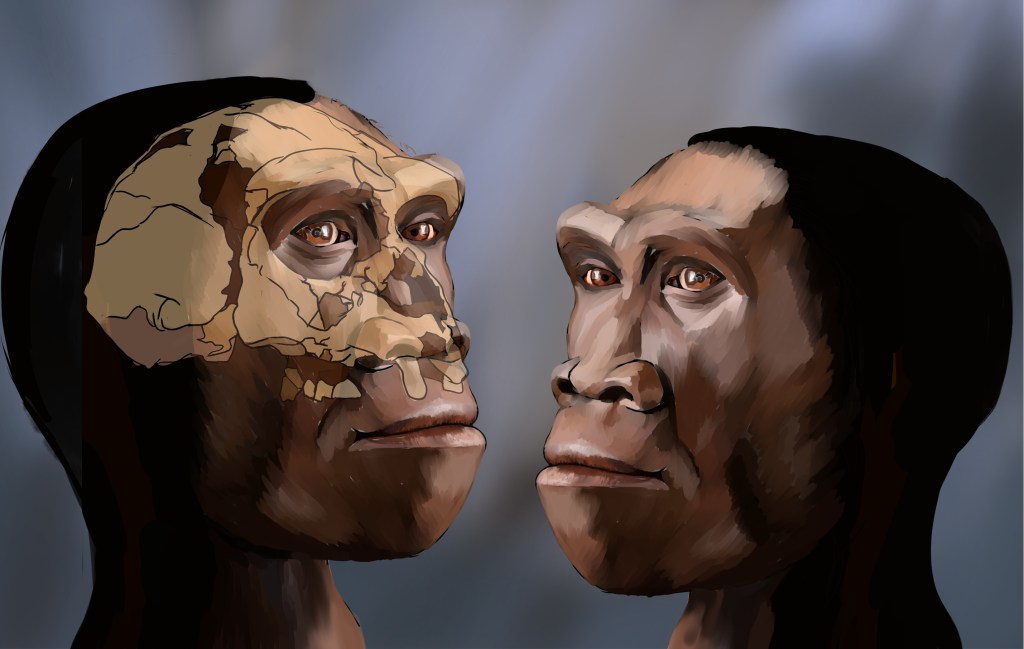
The first human species Homo erectus. This species stood upright and lacked the slightly ape-like feet and facial featured, with a flatter face and less prominent brow ridges, but still distinctly not to the degree of Homo sapiens and shared the planet with around 6 other species of human.
End of Last Great Glaciation
12’500 Years Ago
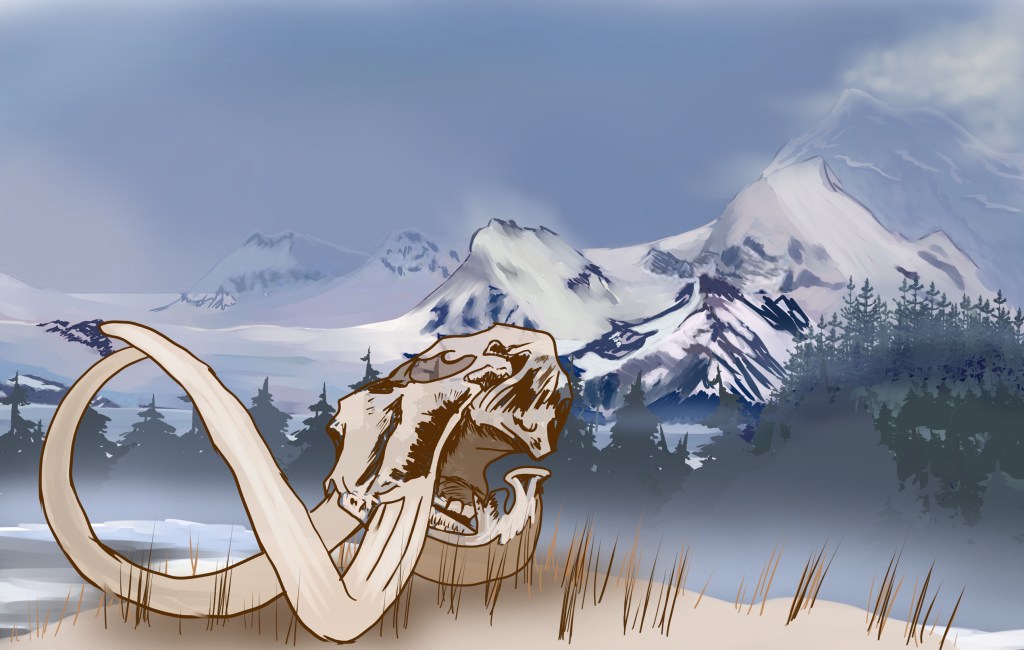
This glacial retreat was triggered by a warmer climate as the axial tilt lessened. This also meant that large parts of the Northern Hemisphere stopped being connected by land bridges as the sea levels rose again. Meaning landmasses that were once connected were then separated, leaving us with the diversification of species that share a lot in common.
Holocene
12’000 to present
Humans start to human and a million different areas of scholarly research are needed to unravel it all, although for the majority of the Holocene the climate has been relatively consistent with a mini ice age at the beginning it soon warmed and stabilised. This will not last. Humans go from thinking of themselves as part of the ecosystem to convincing themselves they are different, a belief born from their ability to shape the world to their own environmental needs in a way that no other species has.
Well, button up buttercup, because solipsistic self-aggrandisement is strong with this species and it writes exhaustively about its own history. But to understand how one of these unbelievably imaginative and questionably intelligent primates came to be at a keyboard, we’ve got to start at the very beginning of their scientific journey, but that’s a story for another article. Now, my dear reader, you’re pretty much caught up. Welcome to the Anthropocene.
For The Curious
Books
Bryson, B. (2016) A short history of nearly everything. Random House UK.

Hazen, R.M. (2013) The story of earth: The first 4.5 billion years, from Stardust to Living Planet. New York: Viking.
Papers
Berbee, M.L., James, T.Y. and Strullu-Derrien, C., 2017. Early diverging fungi: diversity and impact at the dawn of terrestrial life. Annual Review of Microbiology, 71(1), pp.41-60. DOI:10.1146/annurev-micro-030117-020324

Boyce, C.K., Hotton, C.L., Fogel, M.L., Cody, G.D., Hazen, R.M., Knoll, A.H. and Hueber, F.M., 2007. Devonian landscape heterogeneity recorded by a giant fungus. Geology, 35(5), pp.399-402. DOI:10.1130/G23384A.1

Churazov, E., Khabibullin, I., Bykov, A. M., and Chugai, N. N. et al (2024) North Polar Spur: gaseous plume(s) from star-forming regions at ~3-5 kpc from Galactic Center?, arXiv:2408.00752, DOI:10.48550/arXiv.2408.00752

Cole, S.R. and Hopkins, M.J. (2021) “Selectivity and the effect of mass extinctions on disparity and functional ecology,” Science Advances, 7(19). doi:10.1126/sciadv.abf4072.

Deng, Y. et al. (2021) “Timing and patterns of the Great Ordovician Biodiversification Event and late ordovician mass extinction: Perspectives from South China,” Earth-Science Reviews, 220, p. 103743. Available at: https://doi.org/10.1016/j.earscirev.2021.103743.

Gan, T., Luo, T., Pang, K. et al. (2021) Cryptic terrestrial fungus-like fossils of the early Ediacaran Period. Nat Commun 12, 641 . DOI:10.1038/s41467-021-20975-1

Gerrienne, P., Gensel, P.G., Strullu-Derrien, C., Lardeux, H., et al. (2011). A simple type of wood in two Early Devonian plants. Science, 333(6044), pp.837-837. DOI: 10.1126/science.1208882

Giribet, G. and Edgecombe, G.D. (2019) “The phylogeny and evolutionary history of arthropods,” Current Biology, 29(12). doi:10.1016/j.cub.2019.04.057.

Jankowski, R. (2022) “The Evo‐Devo origins of the Nasopharynx,” The Anatomical Record, 305(8), pp. 1857–1870. doi.10.1002/ar.24950.

Kenrick, P., Wellman, C.H., Schneider, H. and Edgecombe, G.D. (2012). A timeline for terrestrialization: consequences for the carbon. Philosophical Transactions of the Royal Society B: Biological Sciences, 367(1588), pp.519-536. DOI:10.1098/rstb.2011.0271

Liu, G.-Q.; Lian, L.; Wang, W. The Molecular Phylogeny of Land Plants: Progress and Future Prospects. Diversity 2022, 14, 782.
https://doi.org/10.3390/d14100782

Neilson, H. R.; Blinn, H. (2021). The Curious Case of the North Star: The Continuing Tension Between Evolution Models and Measurements of Polaris. RR Lyrae/Cepheid 2019: Frontiers of Classical Pulsators. Vol. 529. p. 72. arXiv:2003.02326.  DOI:10.48550/arXiv.2003.02326

Quattrini, A.M, Rodríguez, E, Faircloth, B.C. et al (2020). Palaeoclimate ocean conditions shaped the evolution of corals and their skeletons through deep time. Nature Ecology & Evolution, 4(11), pp.1531-1538.

Schwager, E.E. et al. (2015) “Chelicerata,” Evolutionary Developmental Biology of Invertebrates 3, pp. 99–139. doi:10.1007/978-3-7091-1865-8_5.

Stanley Jr, G.D., 2003. The evolution of modern corals and their early history. Earth-Science Reviews, 60(3-4), pp.195-225. DOI:10.1016/S0012-8252(02)00104-6

Strullu-Derrien, Christine, et al. (2014) "The earliest wood and its hydraulic properties documented in c. 407-million-year-old fossils using synchrotron microtomography." Botanical Journal of the Linnean Society 175.3: 423-437. DOI: 10.1111/boj.12175

Suarez SE, Brookfield ME, Catlos EJ, Stöckli DF (2017) A U-Pb zircon age constraint on the oldest-recorded air-breathing land animal. PLoS ONE 12(6): e0179262. DOI:10.1371/journal.pone.0179262

Sulej, T. et al. (2020) “The earliest-known mammaliaform fossil from Greenland sheds light on origin of mammals,” Proceedings of the National Academy of Sciences, 117(43), pp. 26861–26867. doi.org/10.1073/pnas.2012437117.

Todaro, S. et al. (2018) “The end-triassic mass extinction: A new correlation between extinction events and Δ13C fluctuations from a Triassic-Jurassic peritidal succession in western Sicily,” Sedimentary Geology, 368, pp. 105–113. Available at: https://doi.org/10.1016/j.sedgeo.2018.03.008.

 Wellman, C.H.; Lopes, G.; McKellar, Z.; Hartley, A. (2023). "Age of the basal 'Lower Old Red Sandstone' Stonehaven Group of Scotland: The oldest reported air-breathing land animal is Silurian (late Wenlock) in age". Journal of the Geological Society. The Geological Society of London. DOI:10.1144/jgs2023-138. hdl:2164/22754. ISSN 0016-7649.

Yin, Z. et al. (2017) “Nuclei and nucleoli in embryo-like fossils from the Ediacaran weng’an biota,” Precambrian Research, 301, pp. 145–151. Available at: https://doi.org/10.1016/j.precamres.2017.08.009.
 Wonderfully Weird