
Chapter Three: The Formation of Earth

A little mention of the flawed nature of chronostratigraphy, for the sake of awareness; There are inconsistencies with different methodologies used to define time periods (chronostratigraphic units), and evolutionary turnovers, events signifying evolutionary turnover have to be recorded across massive global areas to be relevant to the historical timeline because no one area can be ‘typical’ on a global scale. All of this means that the archaeological and geological data is biased due to being based largely on Western European and North American fossil records. The standardisation is not accurate and likely needs an overhaul. Standardising the chronostratigraphic is useful and necessary for study and for communication, but we can do better.
The Formation of the earth
4.5 Billion Years Ago
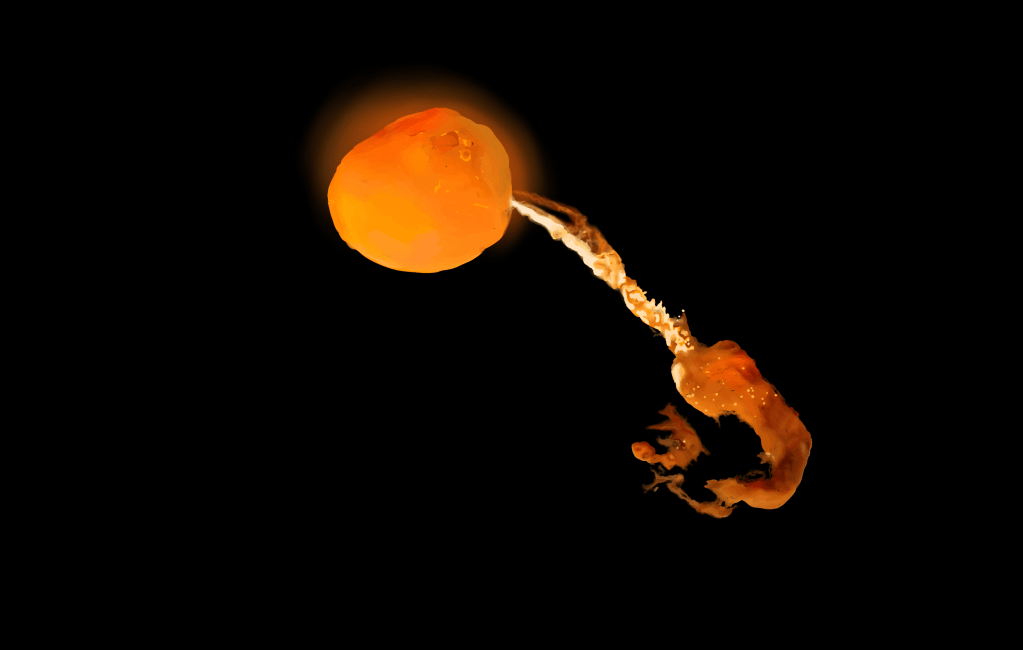
Allow me to introduce you to “The Big Thwack”. I’m giving the geologist points for that. Planetary systems evolve, relying on the previous sequence of events, and building on their systems. The Earth is no different. The proto-earth was highly volcanically active and incessantly impacted by meteorites. It was this unstable Earth that collided with Theia, a planet about 1/3 the mass of Earth and had the same orbital trajectory, meaning it was only a matter of time until they collided. Theia smooshed into the earth, shifting and deforming. The minerals and elements coalescing and becoming part of the new Earth. At such a velocity the collision would not have looked like the fracturing splintering effect you may presume, but more like two water-balloons colliding. One of these molten globules was flung outside of the planet’s roach limit, falling into orbit around the newly forming Earth. Large enough to become the moon, which now pulls our ocean basins and seas into tides and causes everything from the daily tidal cycles, to neep tides, to strange waves called bores that rush up rivers. The collision also changed the Earth’s axis, giving us our current seasons. Although it would not settle into this for several billion years.
Precambrian
With our current tools, it’s much easier to break down the timescale of our own planet into sections and distinct Eons, Eras (Eonothem and Erathem if you wanna be fancy), periods, and epochs. Geographical timelines are useful for breaking down how the Earth, its ecology, and its atmosphere has evolved and changed over time.
At the very beginning, the tides were wider, the days were only five hours and the lunar cycle was three and a half days. That’s how unsettled the earth was. Planets don’t always recover from such events, Venus’ retrograde rotation and loss of water may have been a result of a moon falling into Venus’ roach limit and colliding. The Earth survived, changing in different way.
Hadean
4.55 Billion Years Ago
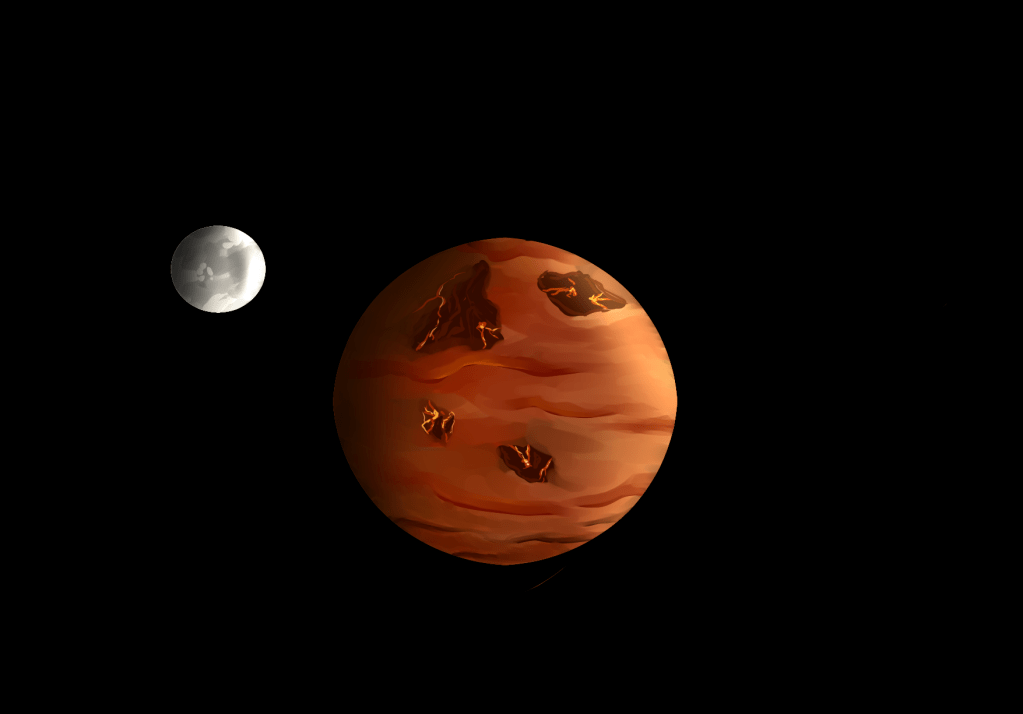
The Earth has never been and will never be peaceful. During the Hadean the atmosphere was very dense, mostly made up of nitrogen and carbon dioxide. The Hadean and early Archean was a time when Earth was being pelted by foreign objects; asteroids, meteors, and solar radiation. Hence the name Late Heavy Bombardment (LHB). This also had high levels of asteroid and meteorite collisions with other planets in the inner solar system. Although earth did not preserve any of the creators caused by this event the moon and Mars did. It is theorised that these high levels of impacts were either due to the tail end of planetary accretion, basically the formation of the planets in the solar system or some sort of cataclysmic event localised in our area of the solar system. Possibly triggered by the realignment in the orbits of bigger planets.
Late planetary accretion may have been the catalyst for life with the introduction of more elements, making up ~0.5% of the Earth’s mass, after the formation of the moon. To know how much material was introduced to the geochemistry of Earth we need to know what type of meteors were impacting. There are three possibilities, all haveing slightly different compositions. Water was likely introduced, although it probably already existed in small amounts with the LHB still occurring during a time when ocean basins were forming and the crust was already stable. The composition of the Earth as the crust stabilized is the substrate for what could come next. Primordial soup theory is no longer accepted in its original form, the idea being that if you leave a bunch of compounds in water for long enough, single-celled life will form. But that doesn’t mean the originators of this idea were completely wrong.
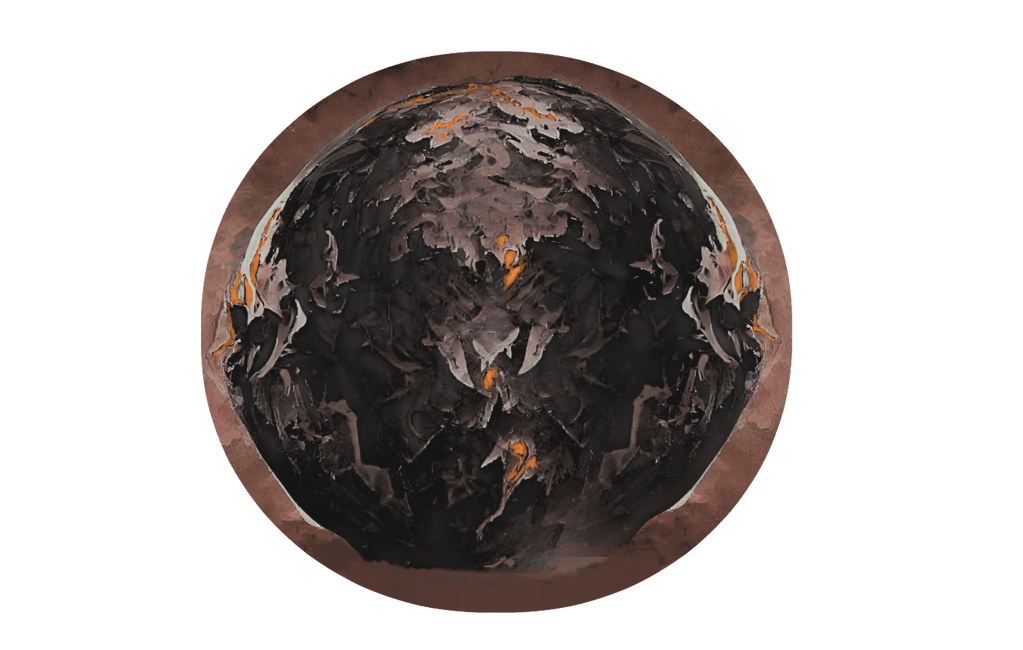
Black Earth
4.5 Billion Years Ago
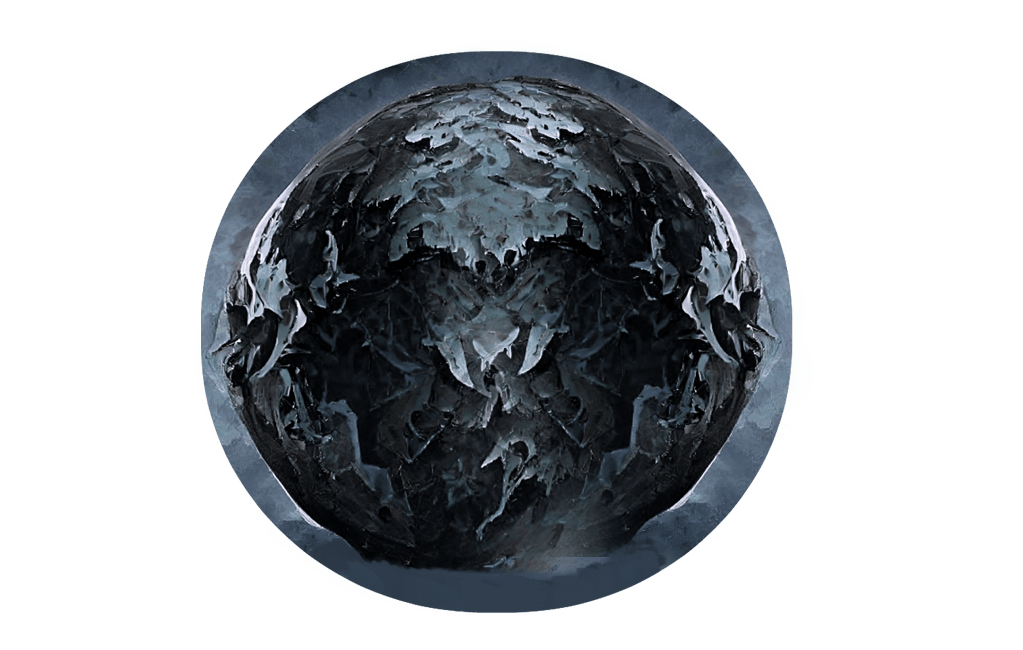
50 to 100 million years after the formation of Earth. The first basalt crust formed. Volcanism caused an influx of nitrogen, carbon dioxide, sulphur and water vapour in the thickening atmosphere. Water-rich fluids also dissolved and concentrated rare elements such as beryllium, zirconium, silver, chlorine, boron, uranium, lithium, selenium gold, ect. These will eventually become great ore bodies of the Earth’s surface as the crust erodes and plates shifts.
Blue Earth
4.4 Billion Years Ago
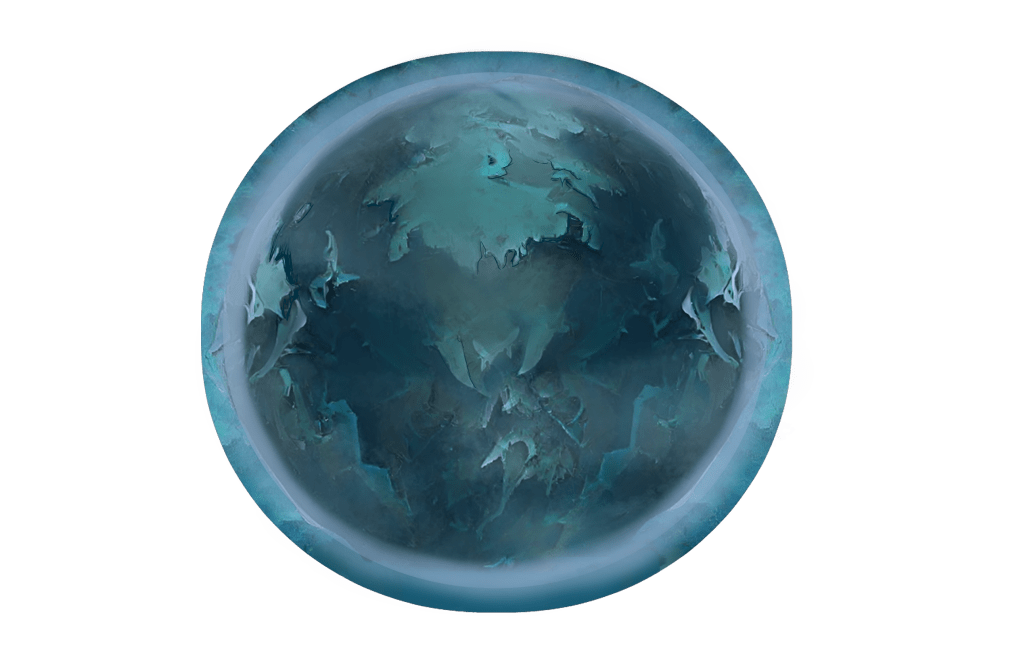
100 to 200 million years after the formation of Earth. The Hadean was volcanically volatile. The continents had not formed, instead, we had volcanos breaking the surface of vast seas. The Earth was a mineral-rich water world of visible and deep water cycles broken apart by volcanic activity. It is important to think of water in a global capacity, not just the ocean basins, the largest being the Pacific, but also ice caps, glaciers, groundwater (all near sub-surface water both in well-defined aquifers and widely dispersed stores.) Lakes, rivers, ponds and the atmosphere all contribute towards the Earth’s water supply. Studies into the presence of H2O reveal molecules in minerals even in mantel conditions. These minerals are called Nominally Anhydrous Minerals.
Grey Earth
4.3 Billion Years Ago
200 to 500 million years after the formation of Earth. The crust forms out of granite giving us the foundations of Earth’s continents. The metal-rich core and periodite-rich mantel means the upper mantel only partially melts and produces basalt. Rich in silicon, calcium, and aluminium this separates from the peridotite and cools, forming a thin black crust. Water and other volatiles separate from the basaltic magma forming the first oceans and atmosphere. Each step adding another layer that can separate further. This layer of basalt grew thicker and melted at a lower temperature, the resulting magma had a different composition from the host basaltic rock, being much richer in silicon and compound elements such as sodium and potassium. This less dense magma rises to the surface, where it cools becoming granite. Granite has a simple mineralogy of four species: Clear, 2 kinds of feldspar, and dark. This higher level of complexity signifies the first significant divergence of Earth’s mineral evolution. The first landmasses are buoyant grey granite atop the denser basalt formed above deep accumulations of partially melting basalt. Vertical tectonics and isostasy being the prevailing mechanism, as more lands form the granite segments are drawn together, accreting more granite and becoming continents. This constant exchange of heat, changes in elements and density is what gives our mantel its currents.
Archean
3.8 Billion Years Ago
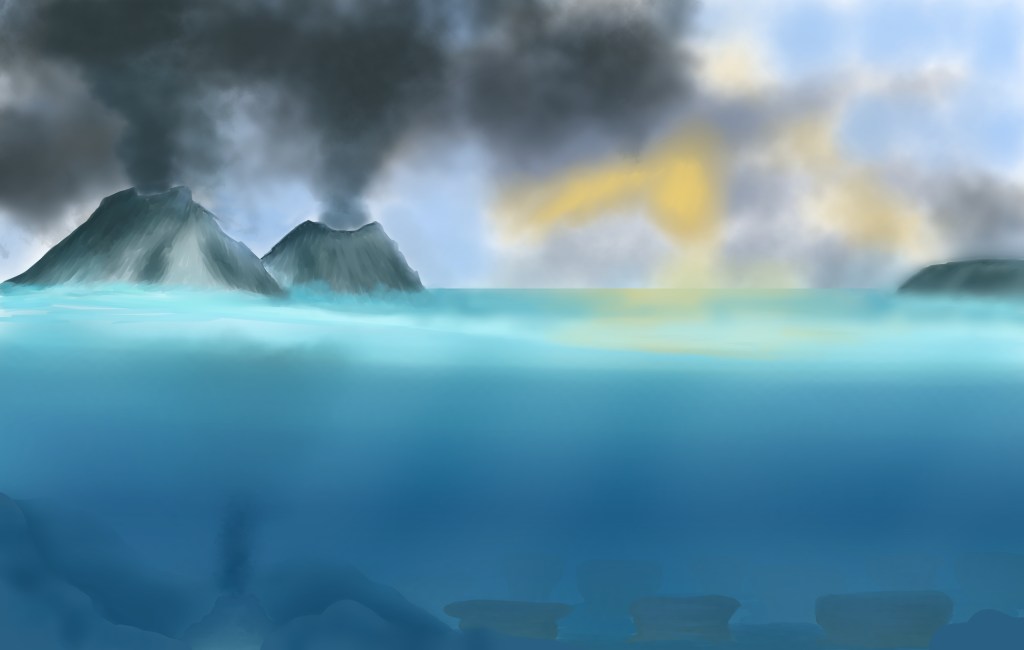
Also called Red earth during the early stages. Welcome to the first estimations of single-celled life and age of autotrophs. How in the Hadeon did this happen? Chemistry does a better job at explaining the separation between living and non-living matter. An organism is a collection of organised molecules that undergoes complex chemical reactions in astonishing coordination, every life form organises its molecules so that there is an internal environment separated from the external environment, from the first simple single-cells to the largest present-day redwood. Maintained through more chemical reactions forming two modes of self-preservation, metabolism for the individual and genetics for the life forms as a whole. Biogenesis shifts our planet from lifeless rock only of interest to geologists to living world.
Earth containing water allowed for molecules to blend and bind in different ways, far easier than being left to the air or even any other liquids as water is very soluble. This allowed for sugars, amino acids, lipids etc to form, all carbon-based molecules and all becoming more concentrated in earth’s early seas. The spontaneous synthesis of methane via serpentinization links a metabolic reaction to a geochemical homologue, capable of making energy from minerals. Reactions like these and high molecular concentration propagated the first life forms. These first life forms were the autotrophs; single-celled organisms that could make their own energy likely absorbing carbon dioxide around hydrothermal vents. Over millions of years, some of the autotrophs became predators, consuming other bacteria and dispensing with the need to synthases their own energy, and filling this new ecological niche.
Oldest Fossils
3.5 Billion Years Ago
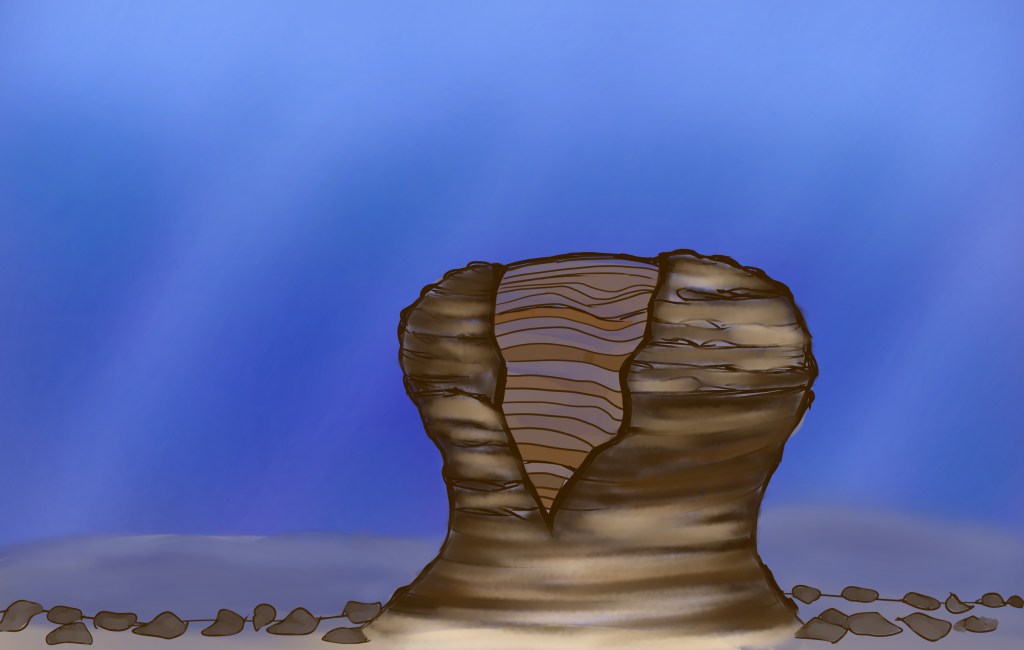
Stromatolites, you may have heard of them. You probably know what they look like even if you don’t know what they’re called. And yes they do look bigger than a single-celled organism. There weren’t larger organisms in the Archean, these fossils are made of layers and layers of bacteria, built up over many millennia. Much like the slow build-up of minerals that form stalactites and stalagmites, except these are a slow build-up of bacteria.
Proterozoic Eon
2.5 Billion Years Ago
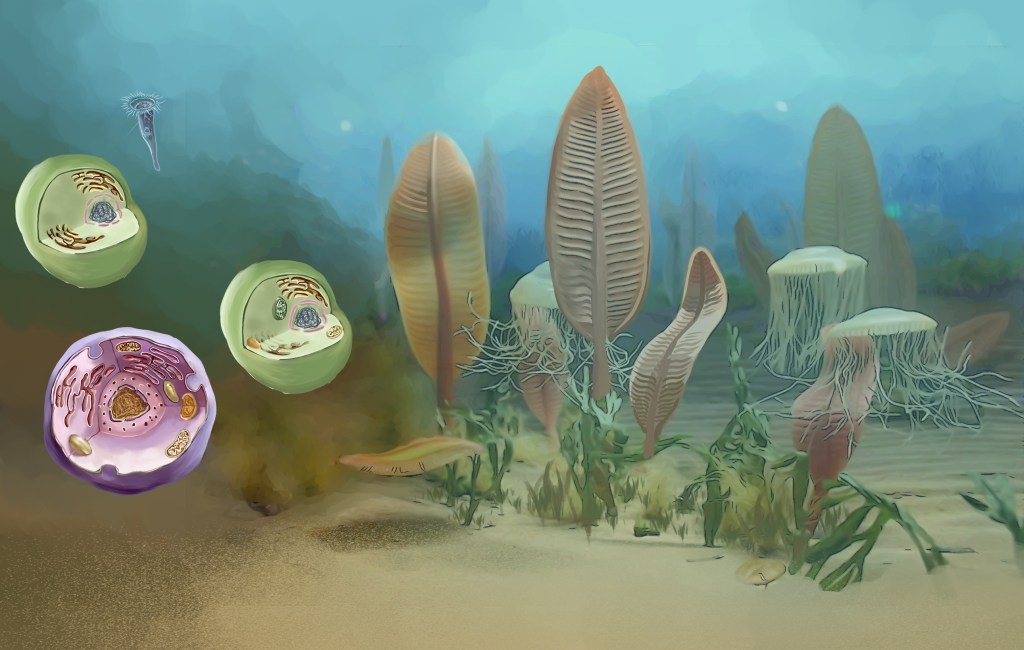
The time of Earth’s earliest and most simplistic multi-cellular life forms evolving on a restless and unstable marble spinning and tilting around a single star. The autotrophs (Organisms that produce their own food), continue but now there are the first heterotrophs (Organism that consume other organisms). Life is about to get a lot more complex, initiated with the splitting of those first prokaryotic groups into Bacteria and Archaea. The predominant change in this time period is of oxygen at higher levels. As the Eon progresses multicellular eukaryotic organisms develop soft bodies only being able to survive in water. After the oxygen crisis where the majority of life went extinct the first eukaryotes evolved. The earth was going through a lot of changes. Before the stabilization of the ozone made it possible for life to start forming on land without being blasted by radiation . You likely know the rest of this story in its broader strokes, so allow me to take you through it in a little more detail.
The Great Oxidation Event
2.4 Billion Years Ago
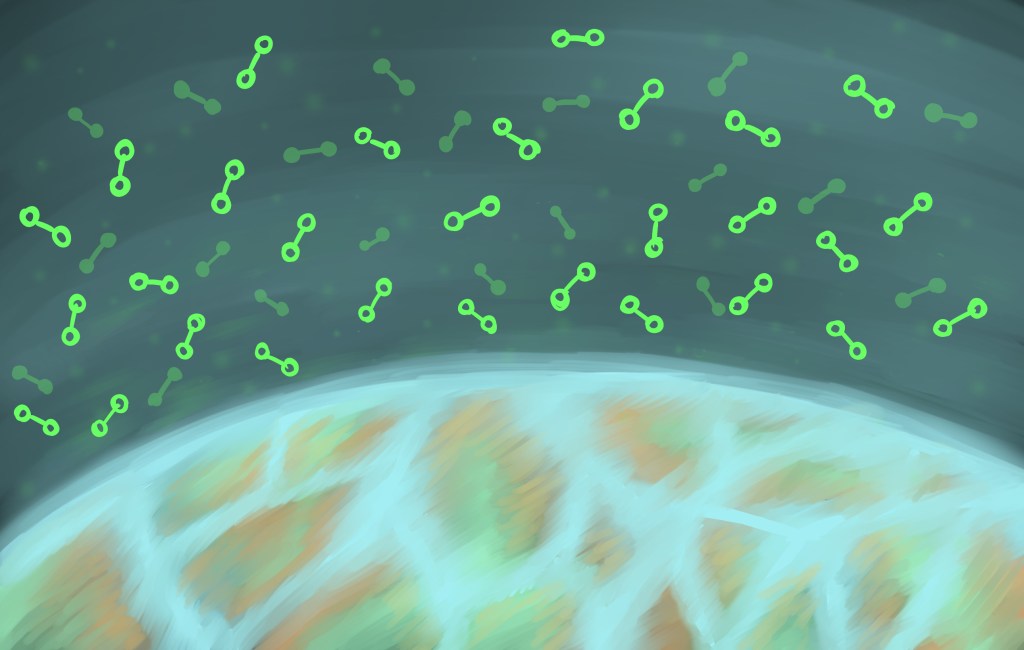
The oxygenation extinction event transformed Earth’s atmosphere and shallow ocean basins. Anoxygenic (A photosynthetic chemical reaction that doesn’t result in oxygen production, if you are normal), bacteria originally dominated the ecosystem, however, when the suitable electron donors from reductants and phosphate fell below a critical level, this allowed the oxygen producing cyanobacteria to take over.
Reductants are chemical agents that donate an electron to an oxidizing (reacting to oxygen) agent. Common reducing agents are metals such as potassium, calcium, barium, sodium and magnesium. Proper metals, not whatever physicists think metals are. The change in reductants and phosphates available for the anoxygenic photosynthetic bacteria may have been initiated by a change in abiotic factors (anything not organic), increasing phosphorus in the oceans and decreasing iron, which decreased anoxygenic photosynthetic bacteria’s reproduction rates. Secular cooling of the early Earth including hydrothermal systems, along with continental emergence and increasing oxidant supply as the oxygenation event began.
One such abiotic factor could have been Black Oxygen. Simply, this is when oxygen is produced by abyssal sea floor sediment. More complexly, brace your noodle and clench your buttocks because it’s in the top 10 coolest things I have discovered during the research for this article, this is when oxygen is produced through chemical reactions other than photosynthesis in the depths of the Benthic abyssal zone.
The research is still in its preliminary stages and the paper directly states that upscaling these results shouldn’t be done without further study, however the fact that oxygen can be produced is very interesting. It is not clear yet how the metals, electrolysis and microbial ecosystem all interacts in Dark Oxygen Production, or whether only one is predominantly responsible. The paper is very dense with a lot of complex chemistry, what it does make clear is how complex the natural world can be and the cycles that make it up are far from complete. Which honestly isn’t news to the biochemists, but might be news to whoever enables deep-sea mining.
Fragments of Sagittarius Dwarf collide with Milky Way again
2 Billion Years Ago

I told you this would happen again. Galactic shenanigans happen slowly. Our galaxy didn’t just reach equilibrium because the Earth formed. Having said that, given that we exist on the outskirts of a super-void after the Milky Way collides with Andromeda we are unlikely to have another galactic collision. It still goes to show that the universe is always moving. Celestial objects are still co-evolving and shifting. Our galaxy is not a static entity and we are learning more and more about it as we develop new tools to observe it, building on past observations and theories.
Molecular Clocks &
Eukaryotes
1.6 Billion Years Ago
Prokaryote is a vague term these days. It represents both Bacteria and Archaea domains which are, if you argue with a biologist, considered to be very different groups. I am very much a multicellular organism sort of zoologist so my interest starts at this point where the single celled Archaea diverge from the membrane bound nucleus possessing Eukaryotic organisms. I would say that this is when things start to get weird on our little still-unstable marble we call a planet, but honestly, that would be a lie. Things have been weird for nearly a billion years by this point.
Eukaryotes are the cells that are found in multicellular life, containing organelles, currently thought to have emerged through endosymbiosis; when simpler single-celled organisms (Archaea) merged after forming a symbiotic relationship with various species of bacteria so entwined that they eventually become inseparable forming an entirely new domain. The unicellular Eukaryotes enter this long and questionably eventful play.
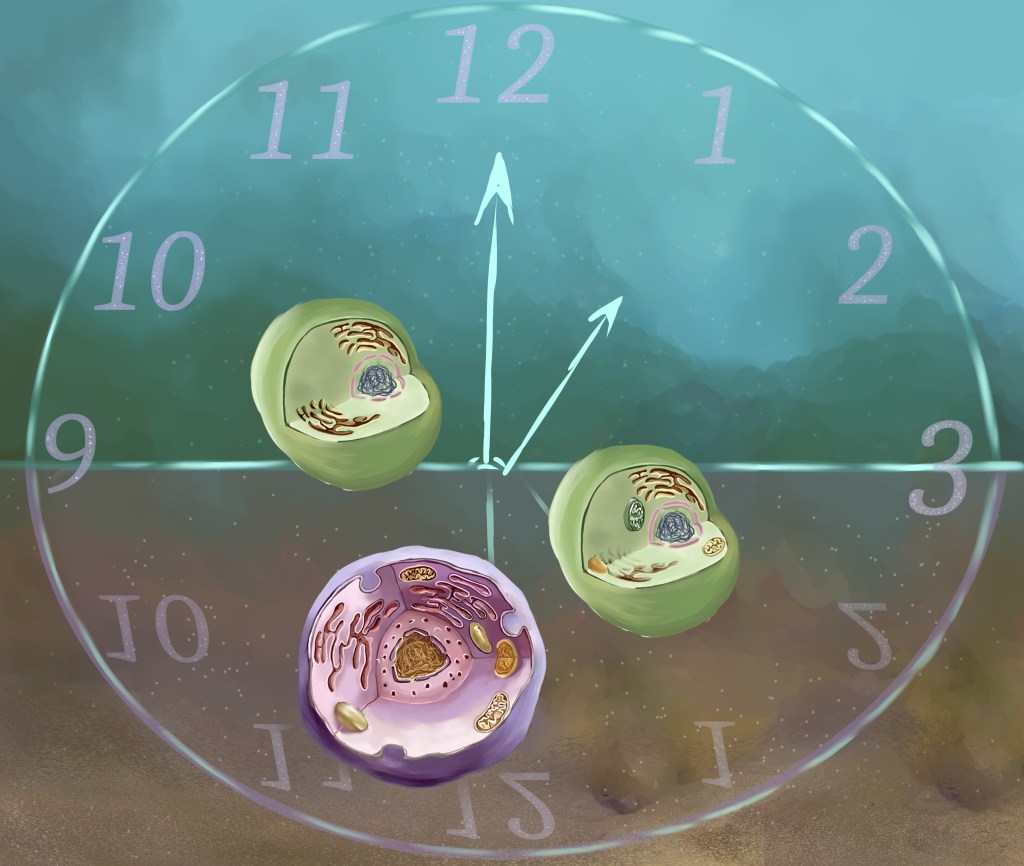
The Molecular clock hypothesis is an attempt to track the rates of evolution using DNA and protein sequences within organisms. Assuming that the rate of evolution of these proteins is consistent, this could act similarly to radio carbon dating. Using this method, it suggests that Eukaryotes first started to evolved around 1.8 to 1.2 Billion years ago, along with protosteroids, (molecular markers in sedimentary rocks of Eukaryotic organism), being dated from at least 1.64 Billion years ago.
The North Star Starts to Form
1.5 Billion Years Ago
The oldest of the Polaris stars is α Umi B. Famous due to it being so close to indicating north. It’s presence constant through human history, in myth and in legend. At this point in the Earth’s history, it would appear a lot dimmer. Polaris is a collection of three stars which appear to be one single point of light to the naked human eye, for now there is only one.
The Earth is a snowball
720 Million Years Ago
During the Neoproterzoic, Earth went through several glaciation events, mainly during the Cryogen era, because geologists have the ability to be sensible when naming things and therefore get one scholastic point. There were estimated to be about three almost total glaciation events:
The Sturtian 720 MYA
The Marinoan 645 MYA
The Glaskiers 579.6 MYA
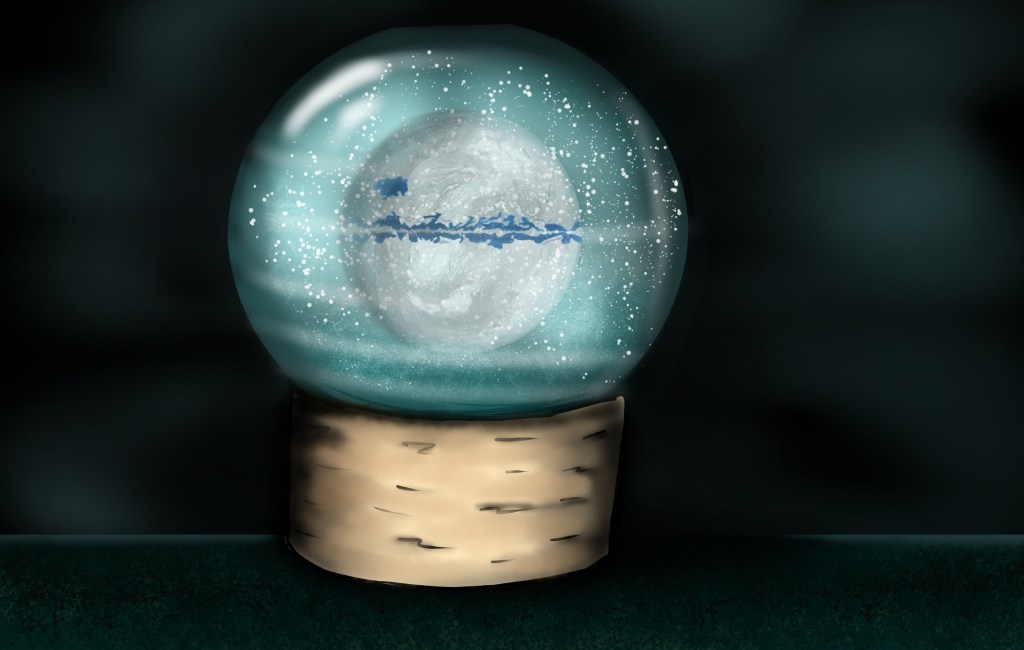
As we’re here, I want to add Ice is fucking weird. Water in general is weird. The most obvious being the solid form of water does something… odd. It’s less dense than its liquid form. This is why you get planets with 60km ice sheets followed by sub-oceans. This is why you get ice burgs. This is why you get entire ecosystems evolved to deal with the top of their watery home becoming impenetrable for parts of the year. All because water needs to be an eccentric and orders its molecules with open hexagon structures, due to hydrogen atoms holding a slight positive electromagnetic charge and oxygen atoms holding a slightly negative one, developed all the way back at the beginning of this here timeline. It’s not a phase, water has always been and will always be weird.
Opisthokonta Clade Diverges
~700 Million Years Ago

I know this clade name , like most of them, looks like somebody sneezed in a Greek accent across your page, but I premise you it does mean something. This is a clade you belong to after all. Around 700 million years ago Opsthokonts split into two new clades, Holozoa and Holomycota. More Greek sneezing I’m afraid. Although not the only kingdoms to emerge from this split, the most recognisable to most of us would be Animalia and Fungi. Animalia is part of the Holozoa clade, while Fungi became part of the Holomycota clade.
This continuation of diversification is why our current ecosystems are so complex and interwoven today, a complexity I’m barely representing in this paragraph, much to the microbiologists annoyance I’m sure. Your fellow Holozoa in the forms of Choanoflagellata, Ministeria, Capsaspora, Pigoraptor, the newly minted Tunicaraptor, Corallochrium, Syssomonas, and Ichthyosporea will have to be given to another, far better read zoologist to gush about.
Animal Embryo-Like Micro Fossils
609 Million Years Ago
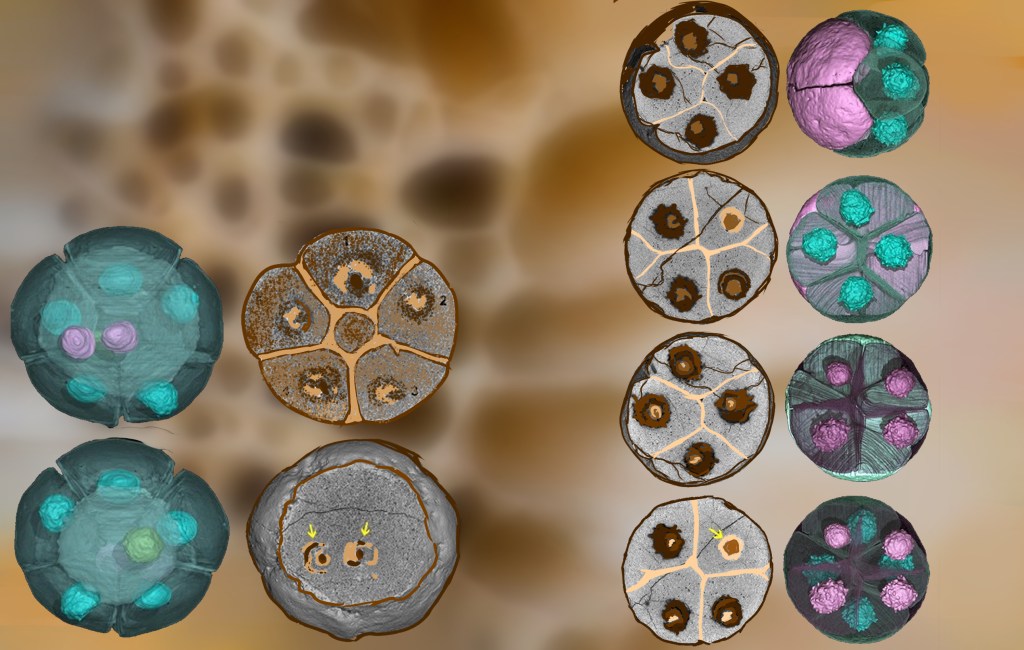
These micro-fossils signify the first species capable of reproduction. Found in China, calling them embryos or eggs is a bit generous, but they do signify the first time organisms started to produce embryo-like bundles of cells. Making them possibly the oldest evidence of the Animalia kingdom in the form of micro-fossils.
The First Eumetazoa
~570 Million Years Ago
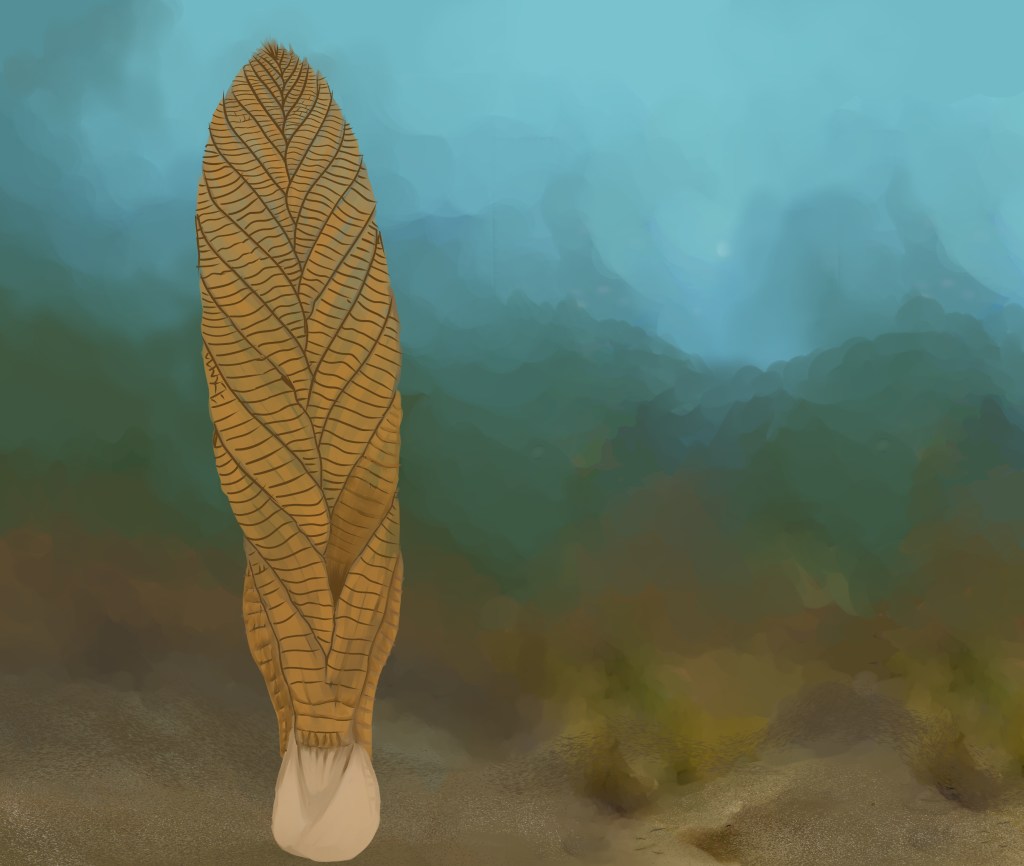
During the Ediacaran the fledgling animalia kingdom continue to diversify. Eumetazoa are a group noted for having different tissue compositions that combine to form an entire organism. The most numerous, even if there is evidence to suggest that it is not the first, such as the aforementioned molecular clock predictions and the presence of embryo-like micro fossils, was Charnia.
Some state that a species named Vernimalcula was also not only a Eumetazoa but also bilaterally symmetrical putting the timescale for such organisms back to around 600 million years ago, but this is still contested.
Second Oxidation Event
550 Million Years Ago
Occurring in part due to the snowball effect in early Earth’s shenanigans.
For The Curious
Books
Bryson, B. (2016) A short history of nearly everything. Random House UK.

Hazen, R.M. (2013) The story of earth: The first 4.5 billion years, from Stardust to Living Planet. New York: Viking.
Papers
Archibald, J.M., (2015). Endosymbiosis and eukaryotic cell evolution. Current Biology, 25(19), pp.R911-R921. Doi:10.1016/j.cub.2015.07.055

Bottke, W.F. and Norman, M.D. (2017) “The late heavy bombardment,” Annual Review of Earth and Planetary Sciences, 45(1), pp. 619–647. doi.org/10.1146/annurev-earth-063016-020131.

Brocks, J.J., Nettersheim, B.J., Adam, P. et al. (2023) Lost world of complex life and the late rise of the eukaryotic crown. Nature 618, 767–773 (2023). doi:10.1038/s41586-023-06170-w

Burki. F, Roger, A.J., Brown, M.W. and Simpson, A.G. (2020). The new tree of eukaryotes. Trends in ecology & evolution, 35(1), pp.43-55. DOI:10.1016/j.tree.2019.08.008

Demoulin, C.F., Lara, Y.J., Cornet, L, et al (2019). Cyanobacteria evolution: Insight from the fossil record. Free Radical Biology and Medicine, 140, pp.206-223. Doi:10.1016/j.freeradbiomed.2019.05.007

Dunn, F.S., Liu, A.G., Grazhdankin, et al (2021). The developmental biology of Charnia and the eumetazoan affinity of the Ediacaran rangeomorphs. Science Advances, 7(30), p.eabe0291. DOI: 10.1126/sciadv.abe0291

Dunn, F.S., Wilby, P.R., Kenchington, C.G., Grazhdankin, et al (2019). Anatomy of the Ediacaran rangeomorph Charnia masoni. Papers in Palaeontology, 5(1), pp.157-176. doi: 10.1002/spp2.1234.

Gabaldón, T. (2021). Origin and early evolution of the eukaryotic cell. Annual Review of Microbiology, 75(1), pp.631-647. Doi: 10.1146/annurev-micro-090817-062213.

Neilson, H.R. and Blinn, H. (2020). The Curious Case of the North Star: the continuing tension between evolution models and measurements of Polaris. arXiv preprint arXiv:2003.02326. Doi:10.48550/arXiv.2003.02326

Shih, P.M. and Matzke, N.J. (2013). Primary endosymbiosis events date to the later Proterozoic with cross-calibrated phylogenetic dating of duplicated ATPase proteins. Proceedings of the National Academy of Sciences, 110(30), pp.12355-12360. Doi:10.1073/pnas.1305813110

Sweetman, A.K., Smith, A.J., de Jonge, D.S.W. et al. (2024)  "Evidence of dark oxygen production at the abyssal seafloor" Nature Geoscience, pp.1-3. doi:10.1038/s41561-024-01480-8

Tikhonenkov, D.V, Mikhailov, K.V, Hehenberger, E, et al (2020). New lineage of microbial predators adds complexity to reconstructing the evolutionary origin of animals. Current Biology, 30(22), pp.4500-4509. DOI:10.1016/j.cub.2020.08.061
 Wonderfully Weird